
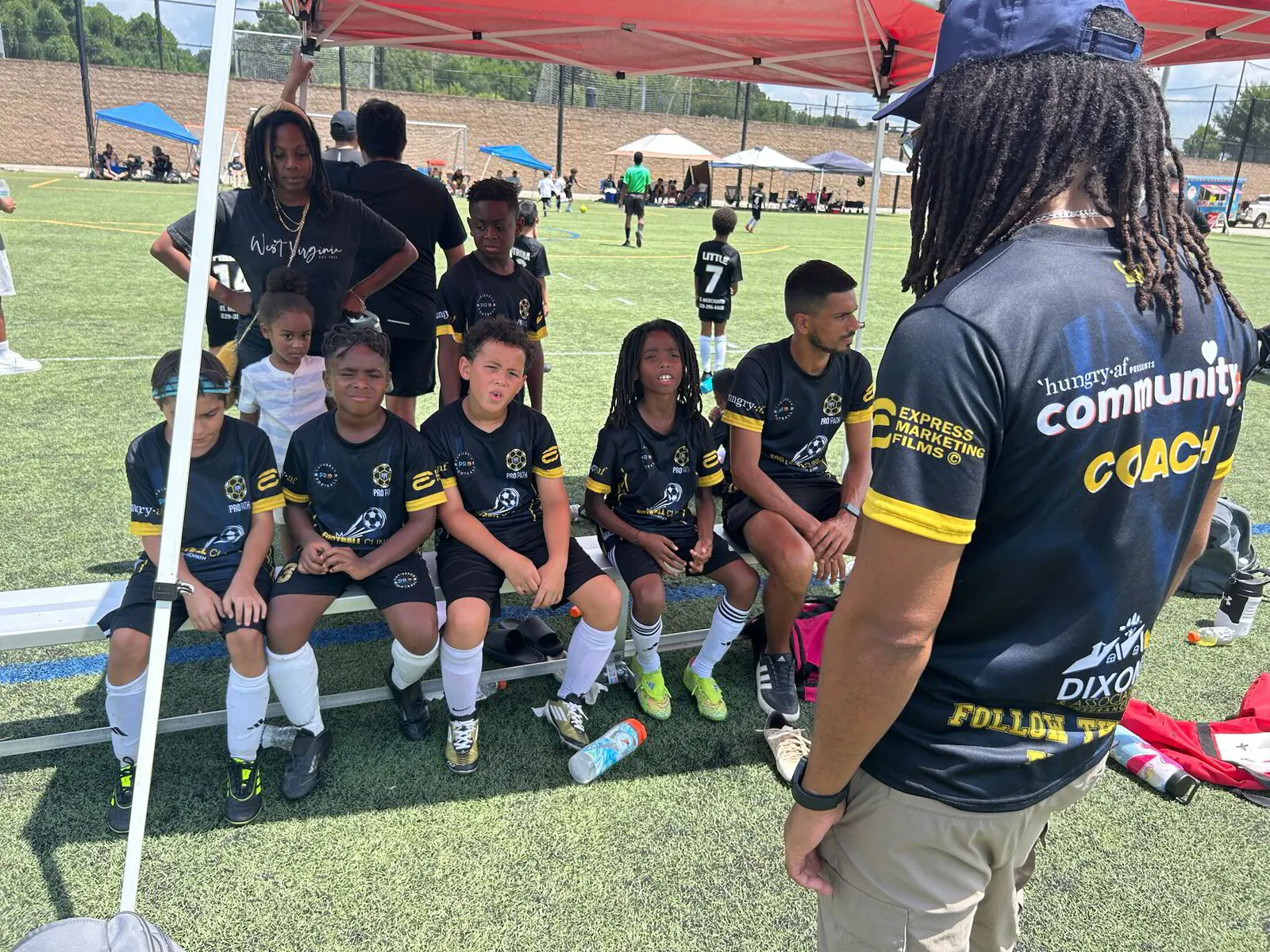
When college coaches and scouts evaluate players, talent is only part of the picture. Again and again, coaches say they look for players who are coachable: players who listen, learn, and improve quickly. A coachable player with good skills often has a brighter future than a talented player who resists feedback.
What coachability means
Coachability is a set of habits and attitudes:
- Listening when coaches speak, with eye contact and focus
- Accepting feedback without excuses or arguments
- Applying corrections quickly in the next rep or the next game
- Asking questions to understand, not to challenge
- Effort that does not depend on mood or playing time
- Respect for coaches, teammates, referees, and opponents
Why it matters so much
Coaches are investing in improvement
A coach recruiting a player is betting on how good that player will become. Players who absorb coaching improve faster.
It predicts how players handle adversity
How a player responds to criticism shows how they will respond to a benching, a loss, or a tough opponent.
It affects the team
One player who rolls their eyes at instructions can damage a team's culture. Coaches know this.
What coaches watch for
Scouts and college coaches at showcases and ID camps notice:
- How players react when they make a mistake
- How they respond when a coach corrects them
- Body language on the bench and between drills
- Whether they encourage teammates
- Effort when the ball is away from them
- How they treat referees
See more in What Scouts Look For in Youth Players and What Happens at a College ID Camp.
How to show you are coachable
- Make eye contact and nod when coaches speak.
- Say "thank you" or "got it" after feedback.
- Try the correction immediately, even if it feels awkward.
- Ask a good question: "What should I look for before I receive?"
- Avoid excuses. Own your mistakes.
- Bring energy to every drill, including the boring ones.
- Support teammates, especially after their mistakes.
For parents
Parents influence coachability more than they realize. Players who hear coaches criticized at home learn to dismiss coaching. Support the coach publicly, and raise concerns privately and respectfully.
Building coachable players at Pro Path
Pro Path coaches give clear, specific feedback in every session at BASE Athletics, and players learn to apply it quickly. It is the same environment players will face at the next level. Read Building a Champion Mindset, or book an evaluation.