College soccer is one of the biggest opportunities available to American youth players. It offers high-level competition, education, and sometimes scholarships. But recruiting starts earlier than many families expect, and the process can feel overwhelming. Here is a clear, grade-by-grade timeline.
Recruiting rules differ by division and change over time. Always confirm current rules with the NCAA, NAIA, or NJCAA.
Understand the levels
- NCAA Division I: the most competitive, with athletic scholarships
- NCAA Division II: competitive, with partial athletic scholarships
- NCAA Division III: no athletic scholarships, but strong academics and merit aid
- NAIA: smaller schools, athletic scholarships available
- Junior college (NJCAA): two-year programs, a path to four-year schools
There are hundreds of college soccer programs. Finding the right fit, athletically, academically, and personally, matters more than the name.
Middle school (grades 7 and 8)
- Build technical skills and love of the game. Read The 10,000-Hour Path.
- Build strong study habits. Grades from 9th grade onward count toward college eligibility.
- Start saving game film.
9th grade
- Keep grades strong. Academics open more doors than anything else.
- Play at the highest level where you can still play real minutes.
- Attend a camp or two to learn what college soccer looks like.
- Start a simple recruiting list of schools that interest you.
10th grade
- Create a recruiting profile with measurables, position, academics, and video.
- Make a highlight video. See How to Make a Highlight Video College Coaches Will Watch.
- Register with the NCAA Eligibility Center if you are considering Division I or II.
- Email coaches at schools on your list with your profile and schedule.
- For NCAA Division I soccer, coaches generally cannot begin direct recruiting contact until June 15 after sophomore year, but players can reach out to coaches before then.
11th grade
- Often the busiest recruiting year.
- Follow up with interested coaches.
- Attend targeted ID camps at schools on your list. Read What Happens at a College ID Camp.
- Take the SAT or ACT if your target schools require them.
- Plan campus visits.
12th grade
- Compare offers: athletics, academics, cost, and fit.
- Complete applications and financial aid forms.
- Commit to the right school for you.
Tips for Atlanta families
- Use local opportunities. Georgia and the Southeast have many college programs within driving distance, which makes camps and visits easier.
- Get seen in competitive games. Coaches often recruit from tournaments and showcases.
- Stay organized. Track every school, contact, and response in a spreadsheet.
How Pro Path helps
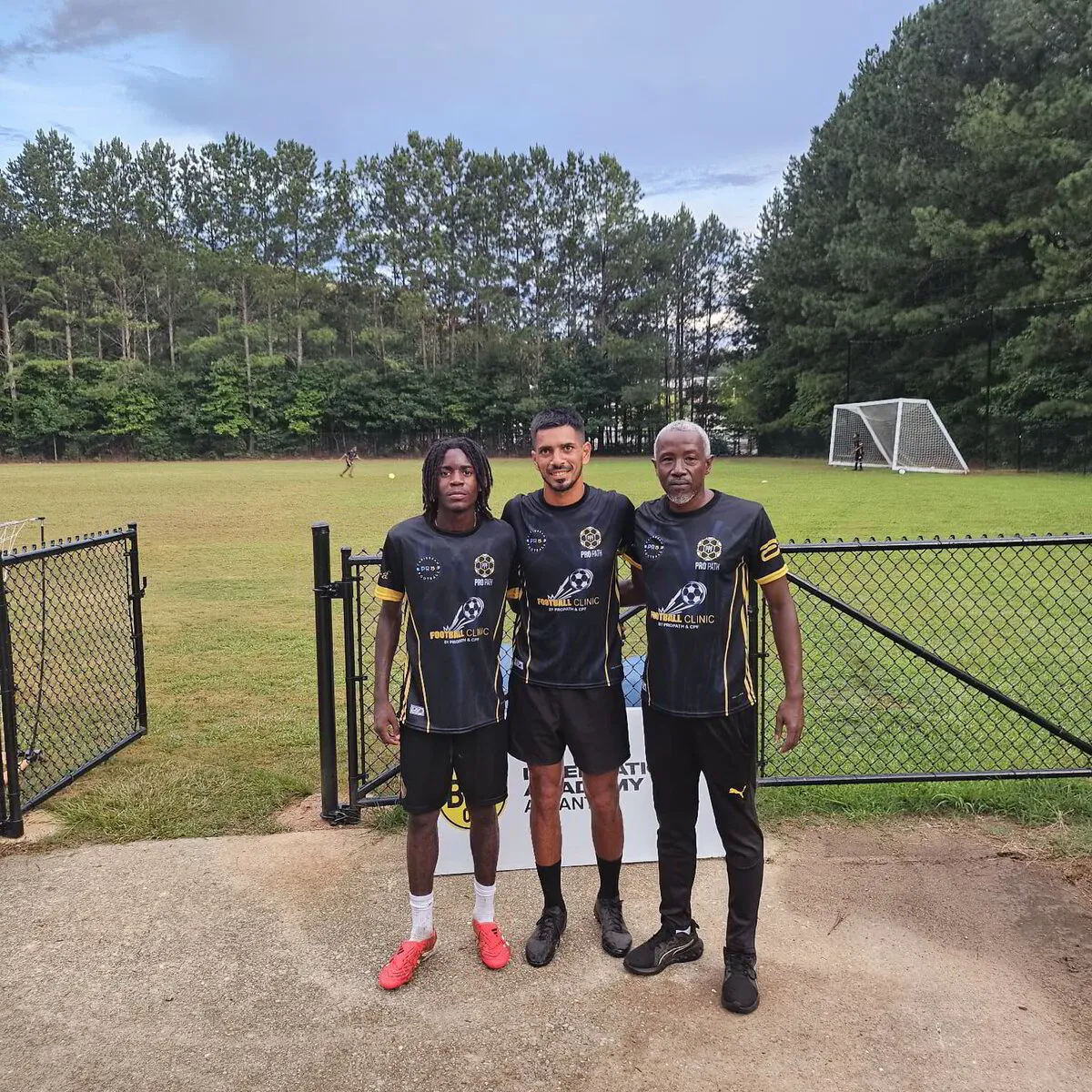
Pro Path builds complete player profiles, including measurables, academics, highlight and full-match video, and sends them directly to college coaching staffs. A Pro Path player was recently selected for the Stetson University ID Camp. Learn more about our college recruiting program, or start your player's profile.