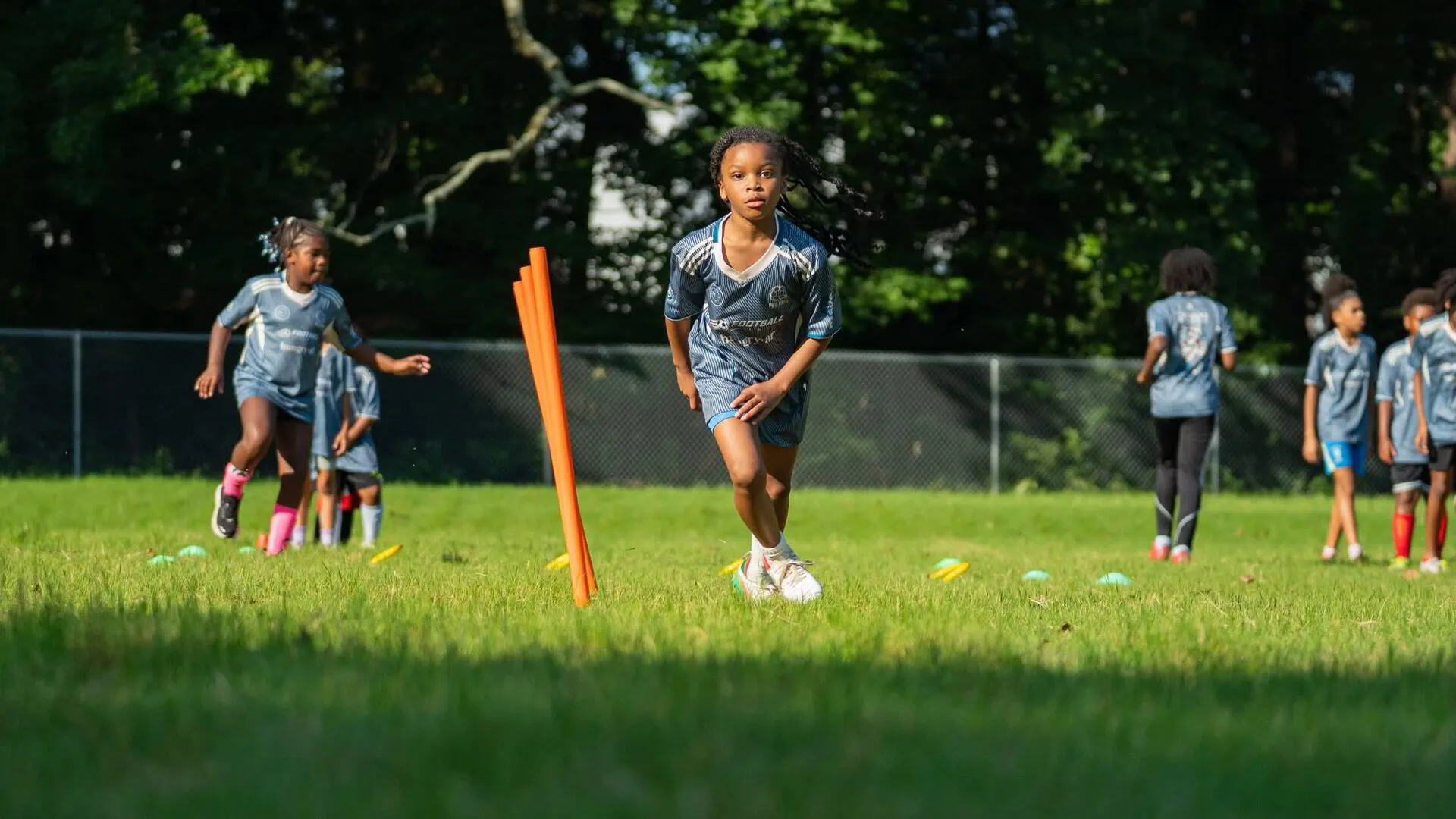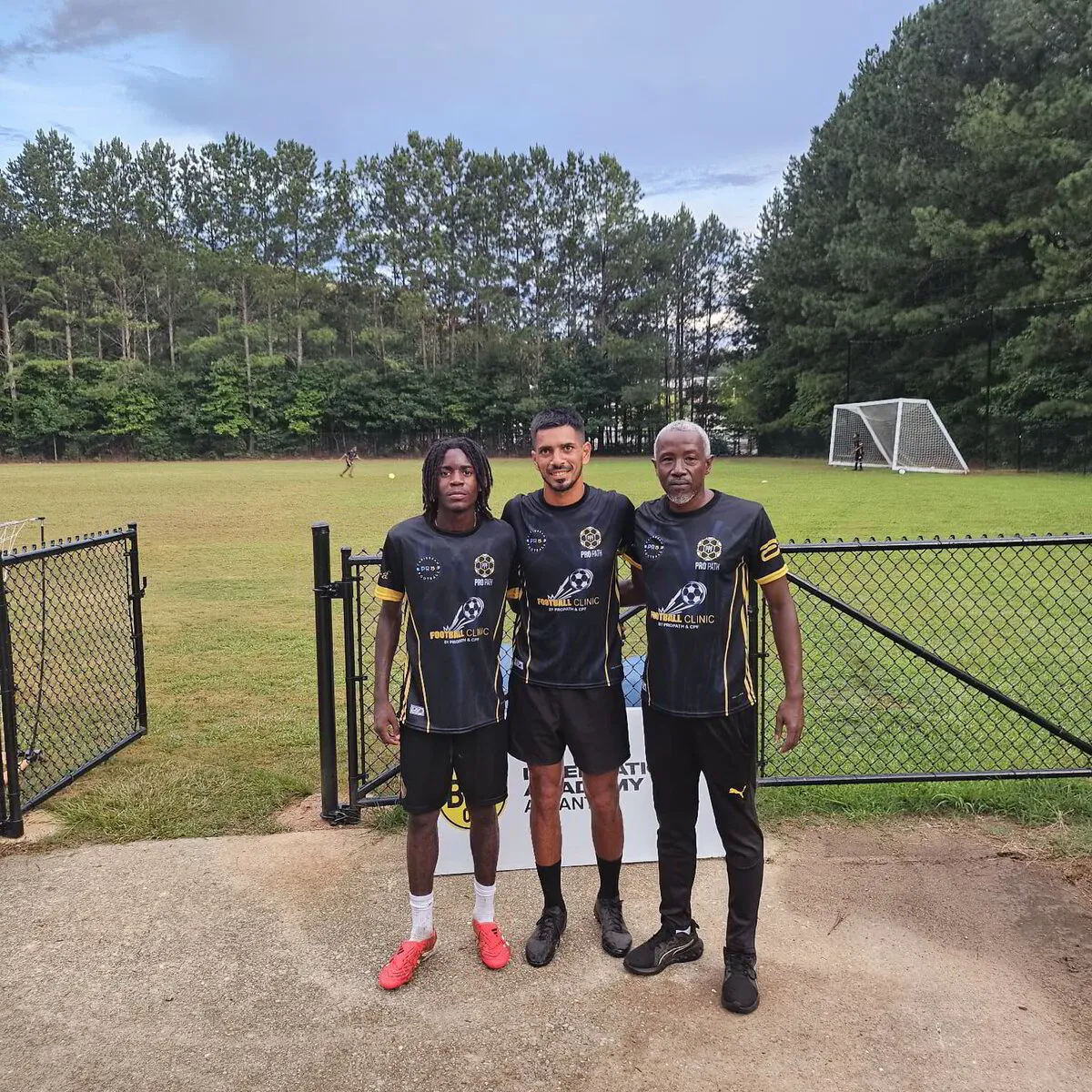
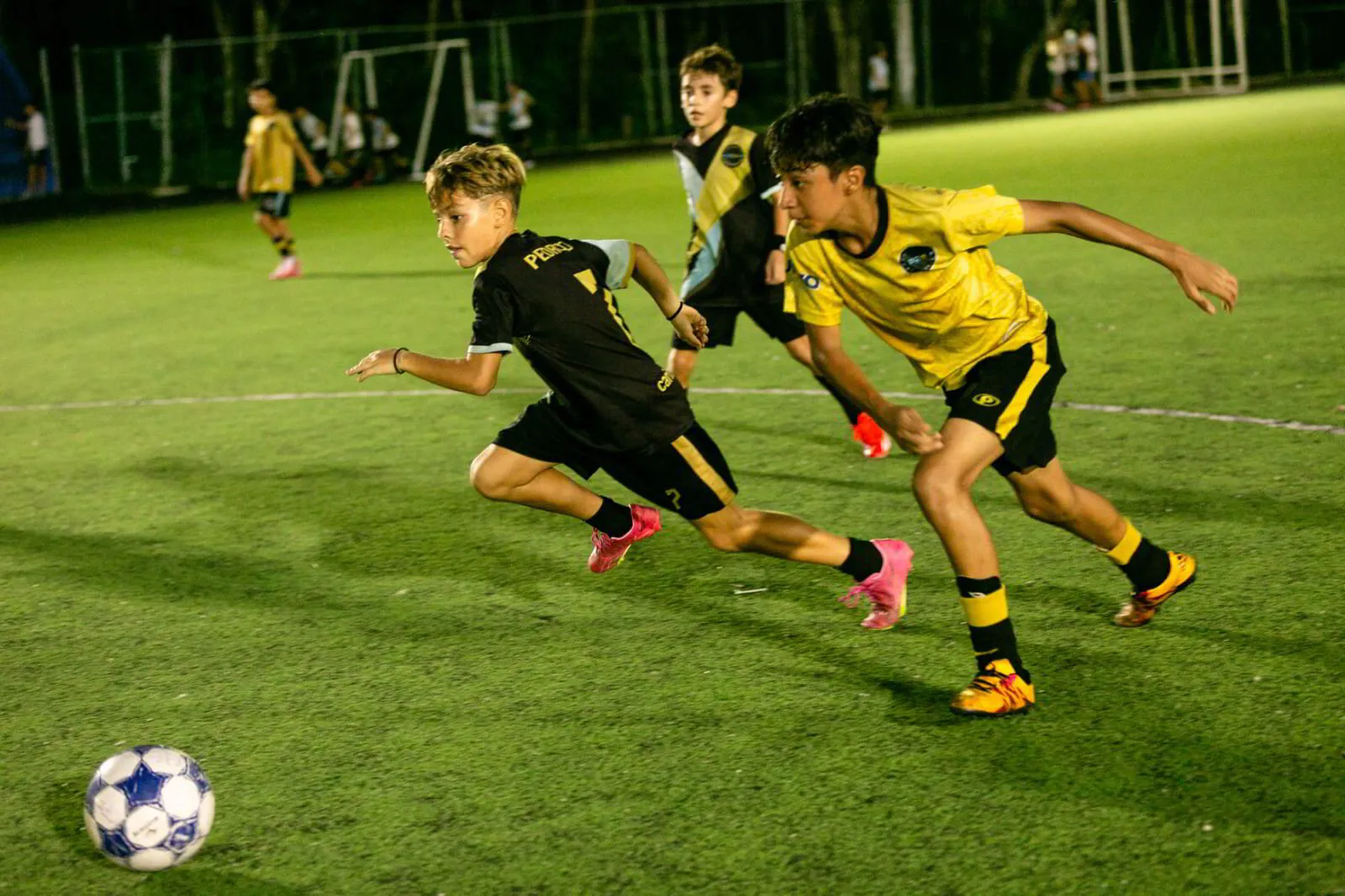
Watch footage of many of the world's best players as kids and you will see the same thing: small spaces, makeshift goals, older opponents, and a ball that never stops moving. Courts between apartment buildings. Dusty fields. Living rooms. Long before academies and coaches, many great players built their skills through deliberate play.
What deliberate play is
Researchers who study how elite athletes develop use "deliberate play" to describe informal games that kids organize and enjoy for their own sake. Pickup soccer, futsal, two-on-two in the backyard, and games of "World Cup" at the park all count.
Deliberate play is different from deliberate practice. There is no coach, no structured drill, and no measured target. But it has powerful benefits of its own.
Why it works
Touches, touches, touches
In a full 11v11 game, an individual player may have the ball for only a couple of minutes. In a 3v3 game in a small space, players touch the ball constantly. Over hundreds of games, those touches add up to a huge skill advantage.
Decisions under pressure
Small spaces force quick thinking. Players learn to scan, to use their body to shield, to find the one-two, and to beat a defender in tight areas. These are exactly the moments that decide real matches.
Creativity
Without a coach shouting instructions, kids try things. They invent moves, copy their heroes, and learn what works by experimenting. That freedom is where flair comes from.
Love of the game
Deliberate play is fun. Kids who love playing keep playing, and that is how hours accumulate over a decade. Burnout is much less common in players who still play for joy.
Small-sided games in structured training
Coaches have borrowed the lessons of street soccer for decades. That is why small-sided games, like 4v4 and 5v5, are a core part of modern youth development. Read more in Small-Sided Games: Why 4v4 and 5v5 Build Better Players.
The enclosed turf arena at BASE Athletics, where Pro Path trains, is built for exactly this kind of play. Walls keep the ball in play, so there is no time wasted chasing balls out of bounds, and every player is involved in every moment.
How to add more deliberate play to your player's week
- Make the ball always available. Keep a ball by the door, in the car, and in the backpack.
- Find a regular pickup game. Many Atlanta parks and futsal courts have informal games, especially on weekends.
- Play with older kids sometimes. Facing bigger, faster opponents forces faster decisions.
- Try futsal in the winter. The smaller, heavier ball and hard court reward close control and quick passing.
- Let them play without instruction. Resist the urge to coach every moment. The learning happens in the trying.
Balancing play and practice
The strongest development paths include both. Deliberate practice sharpens specific skills. Deliberate play teaches players to use those skills creatively in real games. A week with both, plus team practice and matches, is the right recipe for building toward 10,000 quality hours.
Want your player in a small-sided environment every week? Join Pro Path at BASE Athletics, or reserve a spot today.