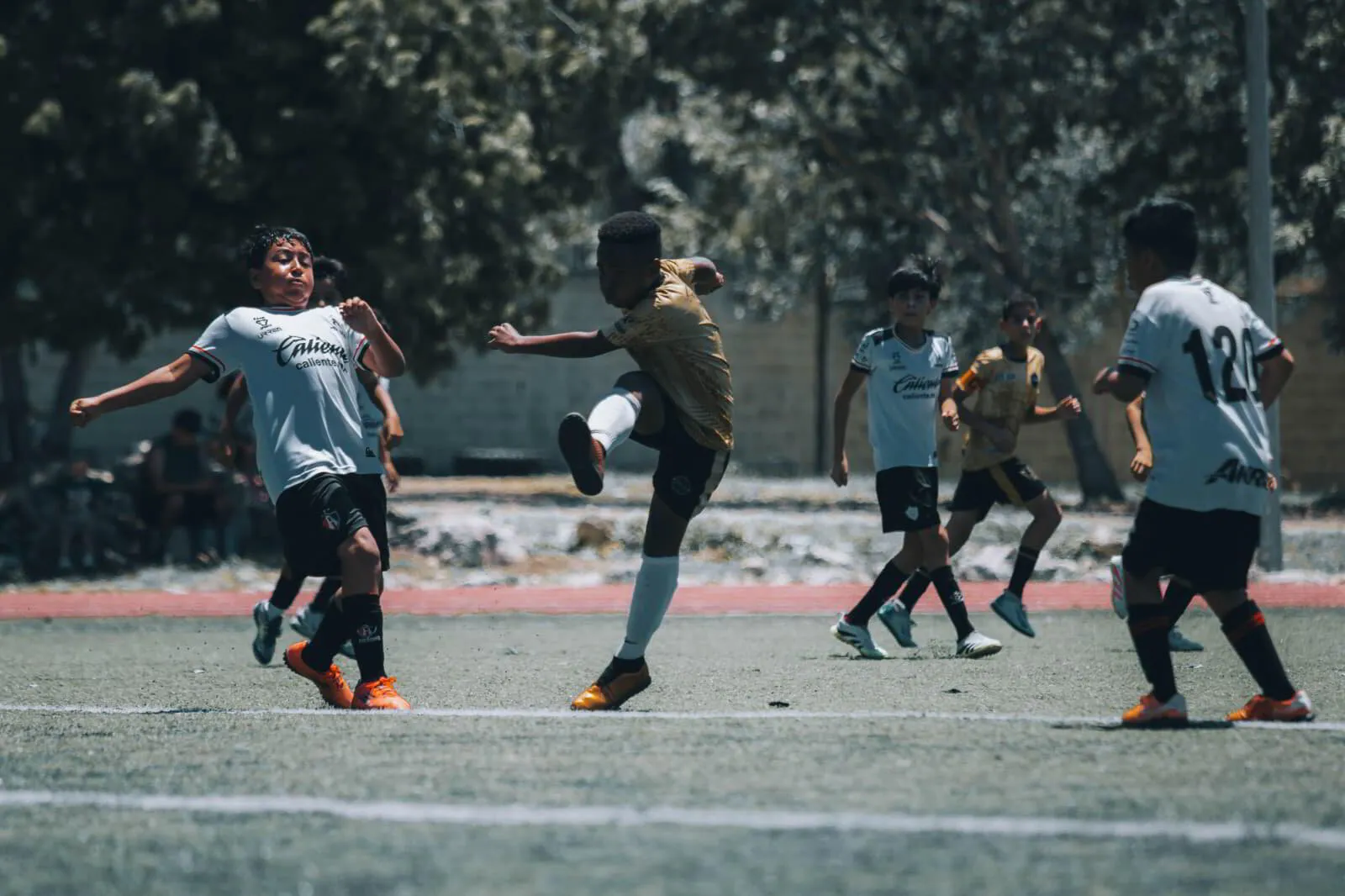
Bondy is a town in Seine-Saint-Denis, just northeast of Paris. It is not famous for luxury or glamour. It is famous, in soccer circles, for producing talent. The Paris suburbs, known in France as the banlieue, have produced a remarkable number of professional players, and Kylian Mbappé is the most famous of them.
Pro Path FC is not affiliated with Kylian Mbappé. This article uses widely reported public information.
Why the Paris suburbs produce so many players
There is no single reason, but coaches and journalists often point to a few common threads:
- Constant informal play. Small concrete courts and fields between apartment buildings host games at all hours.
- Mixed ages. Younger kids play with teenagers and adults, which forces them to be quicker and smarter.
- Small spaces. Tight courts reward close control, balance, and quick feet.
- Strong local clubs. Clubs like AS Bondy give kids coaching and organized competition alongside street play.
- Hunger. For many young players, soccer represents opportunity and pride.
What the street teaches
Close control under pressure
On a small court, there is always a defender close by. Players learn to keep the ball near their feet, protect it with their body, and change direction quickly.
Speed of thought
Without much space or time, players must scan and decide before the ball arrives. That habit is one of the hardest things to teach later.
Creativity
Street games have no coach shouting instructions. Kids try tricks, copy their heroes, and keep what works. This freedom builds the flair that structured training alone often cannot.
Toughness
Playing against older, bigger opponents teaches resilience. Getting knocked off the ball and getting back up is part of the game.
Playing up, carefully
Mbappé is often described as having played with older kids at AS Bondy. Playing up can accelerate development by raising the level of challenge. But it works best when the player can still succeed regularly. A player who never touches the ball against older kids learns little. The right balance is a mix: some play against older players for challenge, and some with peers for confidence and leadership.
Recreating the Bondy environment in Atlanta
American kids rarely grow up with a pickup game outside the front door. But families can recreate key ingredients:
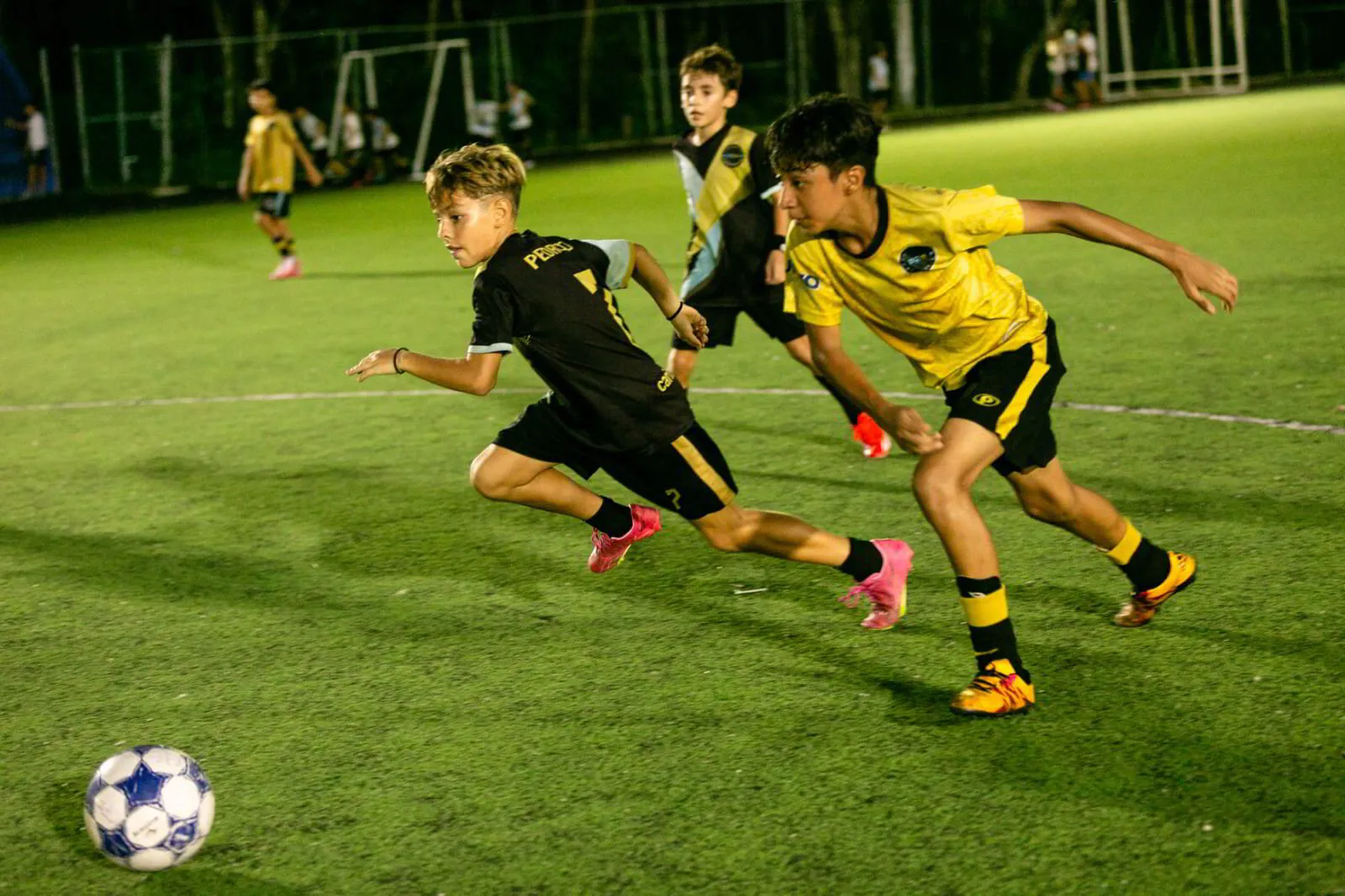
- Find small-sided games. Futsal, 3v3, and 5v5 leagues pack in touches and decisions.
- Play in tight spaces. Enclosed arenas, like the turf at BASE Athletics in West Midtown, keep the ball in play and force quick thinking.
- Mix ages. Pickup games at parks often include older players.
- Let them play freely. Some sessions should have no instructions at all.
- Make the ball constant. A ball at home, in the car, and at the park.
Read more about deliberate play and street soccer.
Pro Path's approach
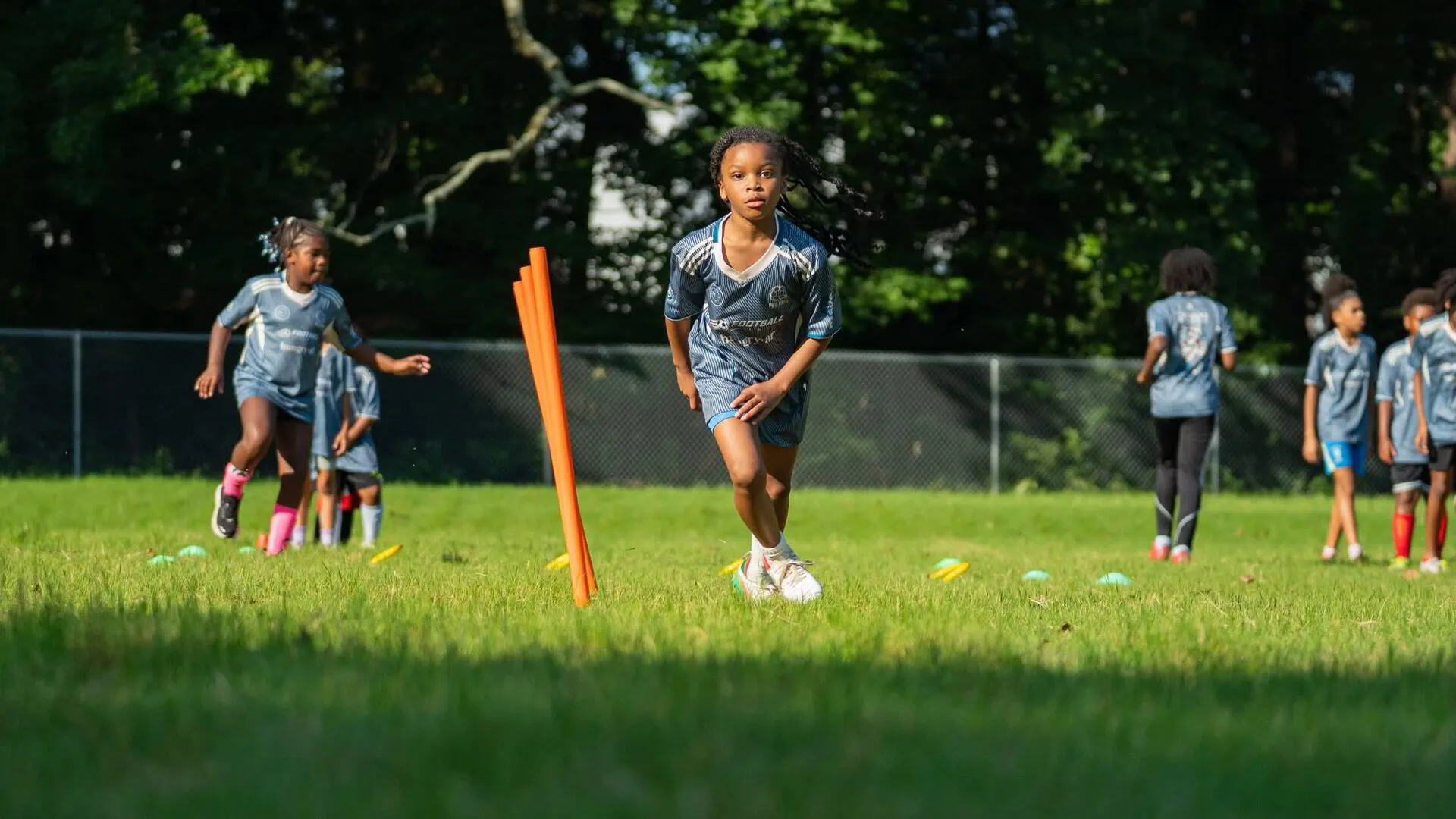
Pro Path's training at BASE Athletics is built on small-sided principles: tight space, constant involvement, and fast decisions. It is as close to the street as structured training gets.
Reserve your player's spot for Saturday, Sunday, or Monday sessions: Get started.