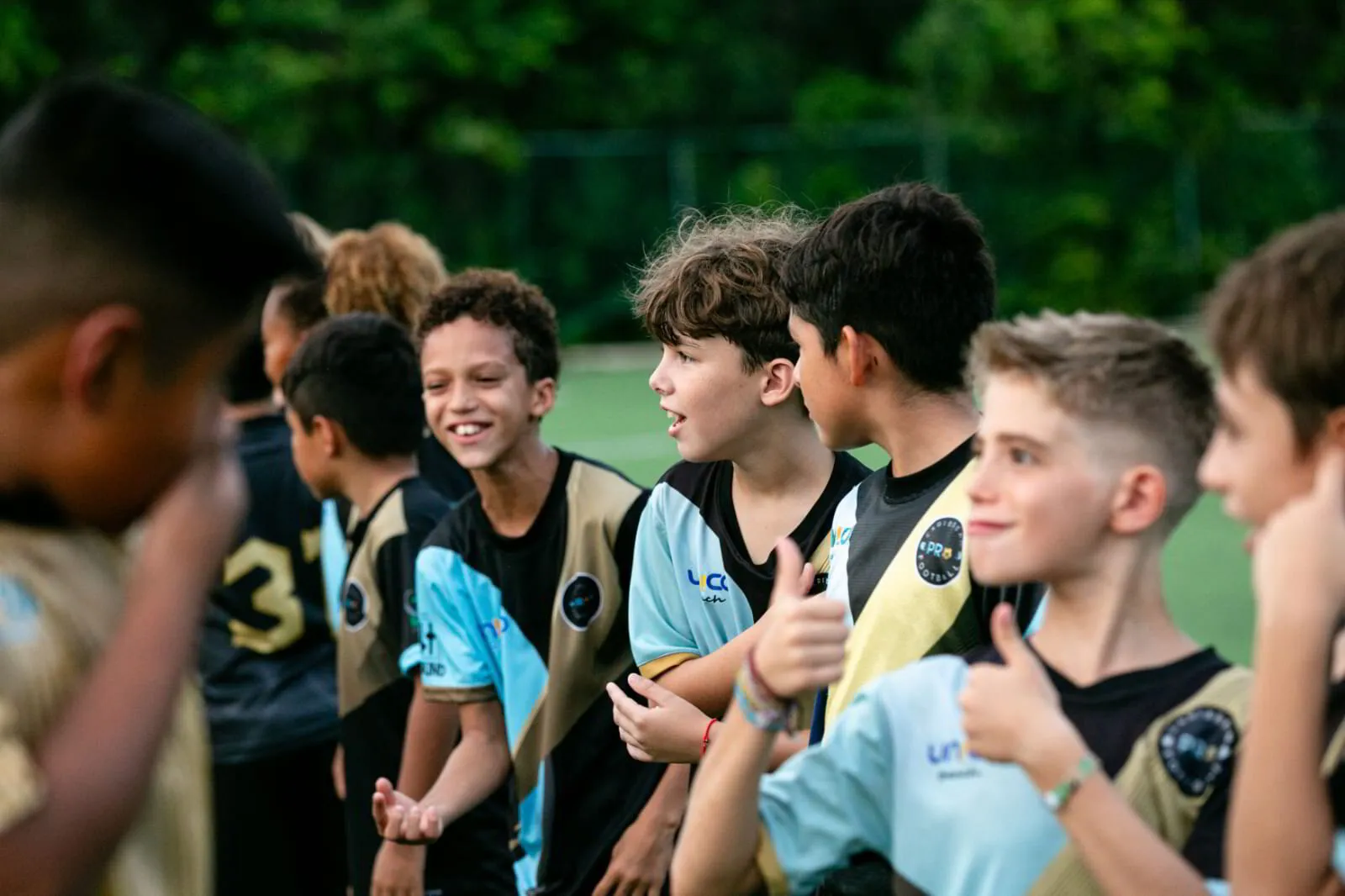
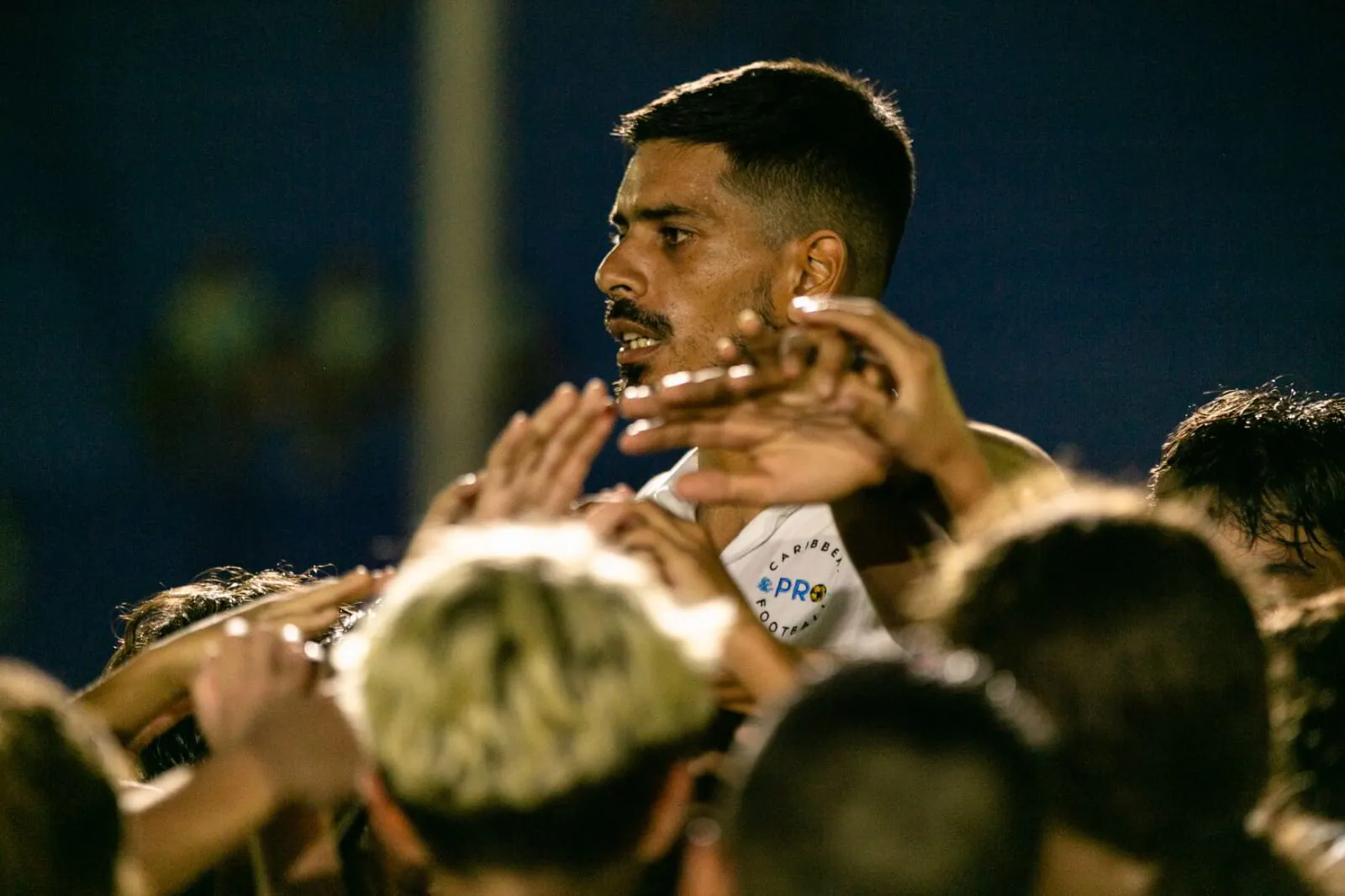
Many elite athletes use visualization, mentally rehearsing successful performance, as part of their preparation. Combined with a consistent game-day routine, it helps players manage nerves, build confidence, and step onto the field focused and ready.
What visualization is
Visualization means imagining a performance in detail: seeing the field, feeling the ball, hearing the crowd, and picturing yourself executing successfully. Research in sport psychology suggests mental rehearsal can support skill performance and confidence, especially when combined with physical practice.
How to visualize
- Find a quiet place and close your eyes.
- Breathe slowly for a minute to relax.
- Picture the setting: the field, the weather, your teammates.
- Use all senses: the feel of the ball, the sound of studs on turf.
- Rehearse specific actions: a clean first touch, a successful 1v1, a calm finish.
- Include challenges: imagine making a mistake and resetting quickly.
- Finish with success: see yourself playing confidently.
Five to ten minutes is plenty. Many players visualize the night before and the morning of a game.
Building a game-day routine
Routines give players a sense of control and help them shift into "game mode."
The night before
- Pack your bag: boots, shin guards, water, snacks, uniform.
- Visualize for a few minutes.
- Get to bed on time. Sleep is one of the best performance tools there is.
Game morning
- Eat a familiar, balanced meal a few hours before the game. See Nutrition and Sleep Basics.
- Hydrate.
- Keep the morning calm and normal.
Arrival and warm-up
- Arrive early enough to avoid rushing.
- Follow the same warm-up sequence each time.
- Use music or a short routine to focus.
- Touch the ball a lot to settle nerves.
Right before kickoff
- Three deep breaths.
- A cue word: "Brave," "First touch," or "Compete."
- One simple early goal: "Win my first duel."
During the game
Use quick resets after mistakes. Read Handling Mistakes and Bad Games.
After the game
Cool down, refuel, and save reflection for later. Write down three things that went well and one thing to work on.
Make it personal
There is no perfect routine. The best one is the one the player believes in and repeats consistently. Experiment in lower-stakes games and keep what works.
Mental training at Pro Path
Pro Path's Online Academy includes mental toughness and emotional control sessions, and our coaches help players build routines for big moments, from ID camps to international tournaments. Read Pressure and Big Stages, or book an evaluation.