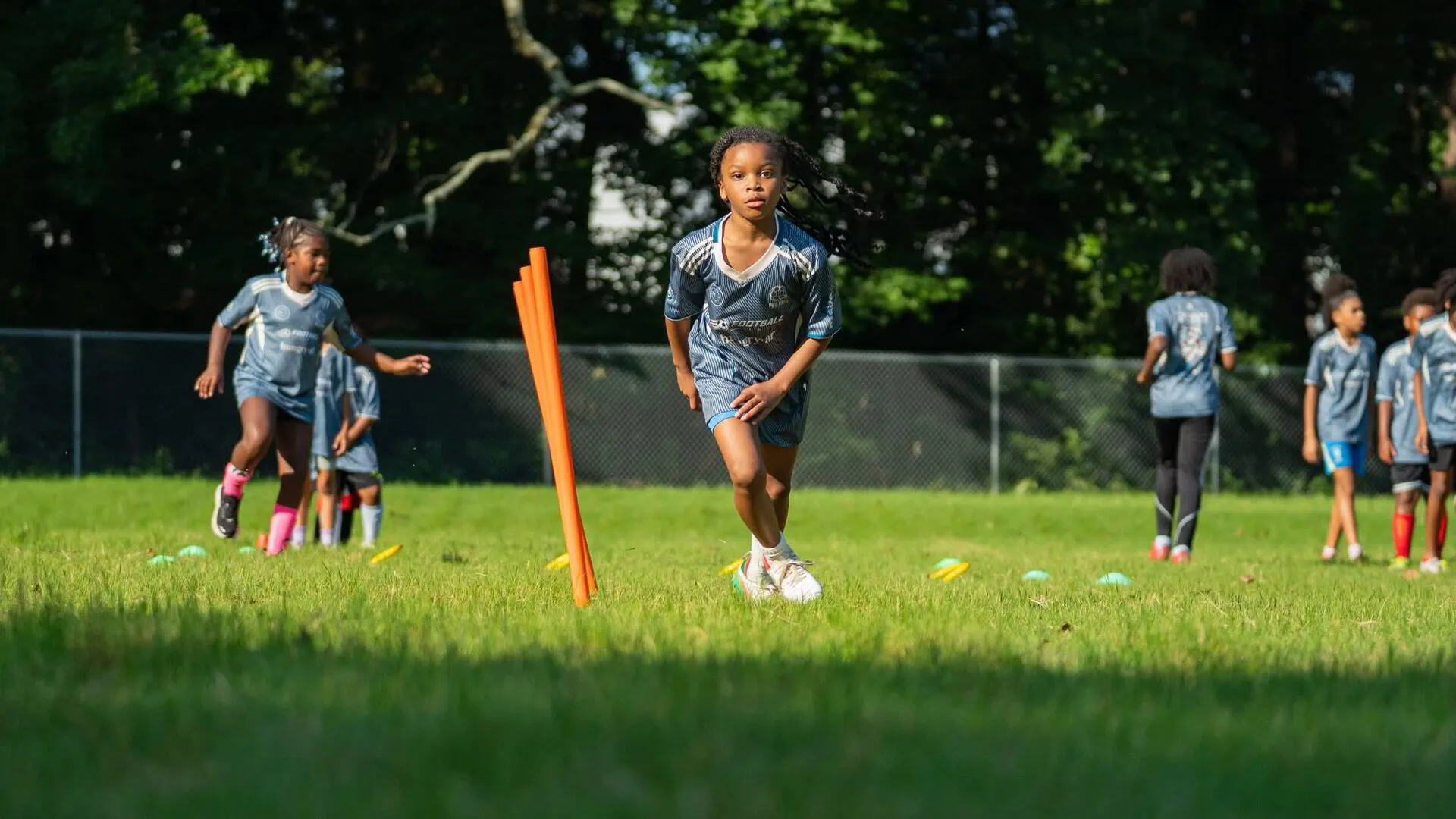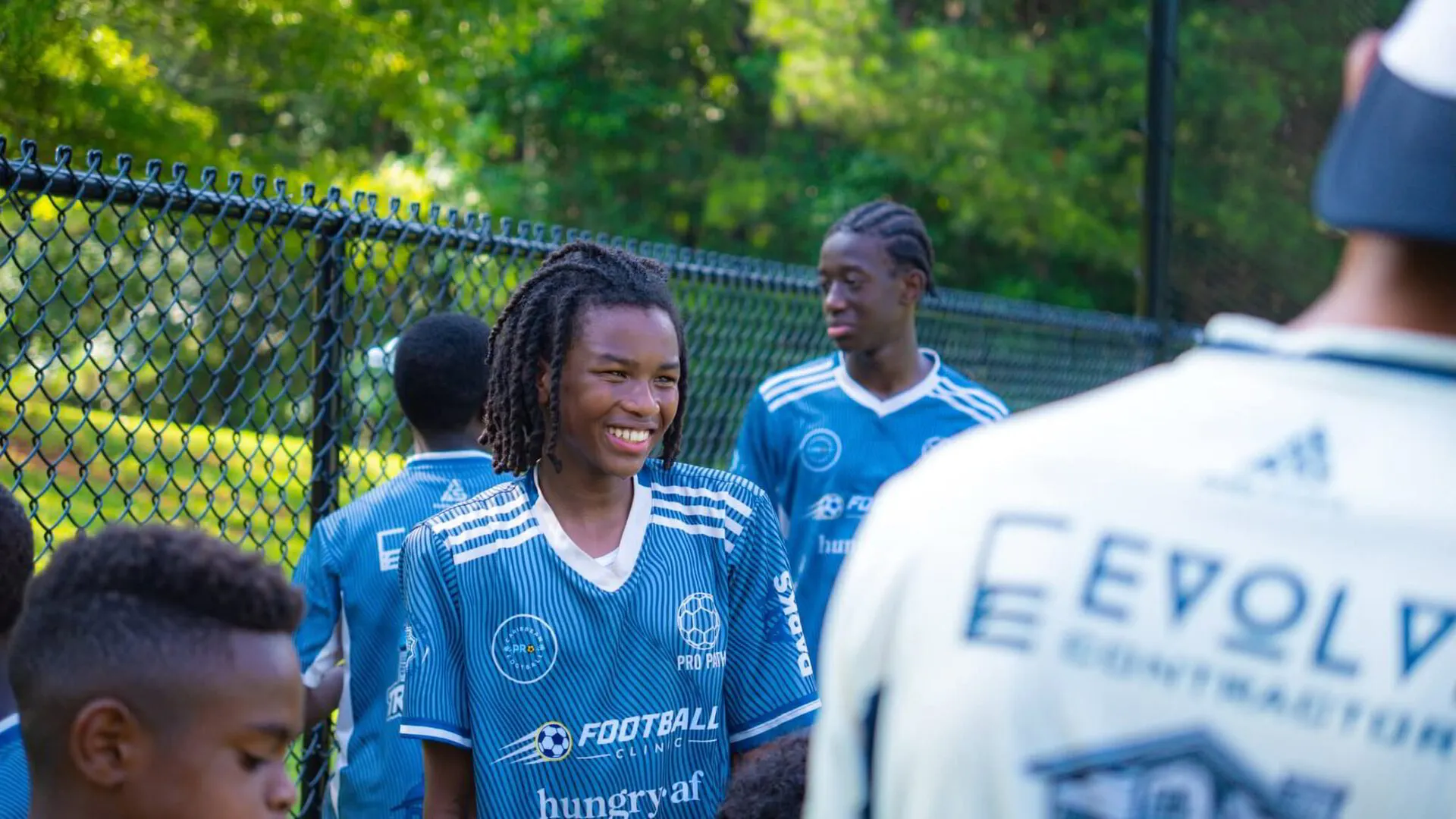
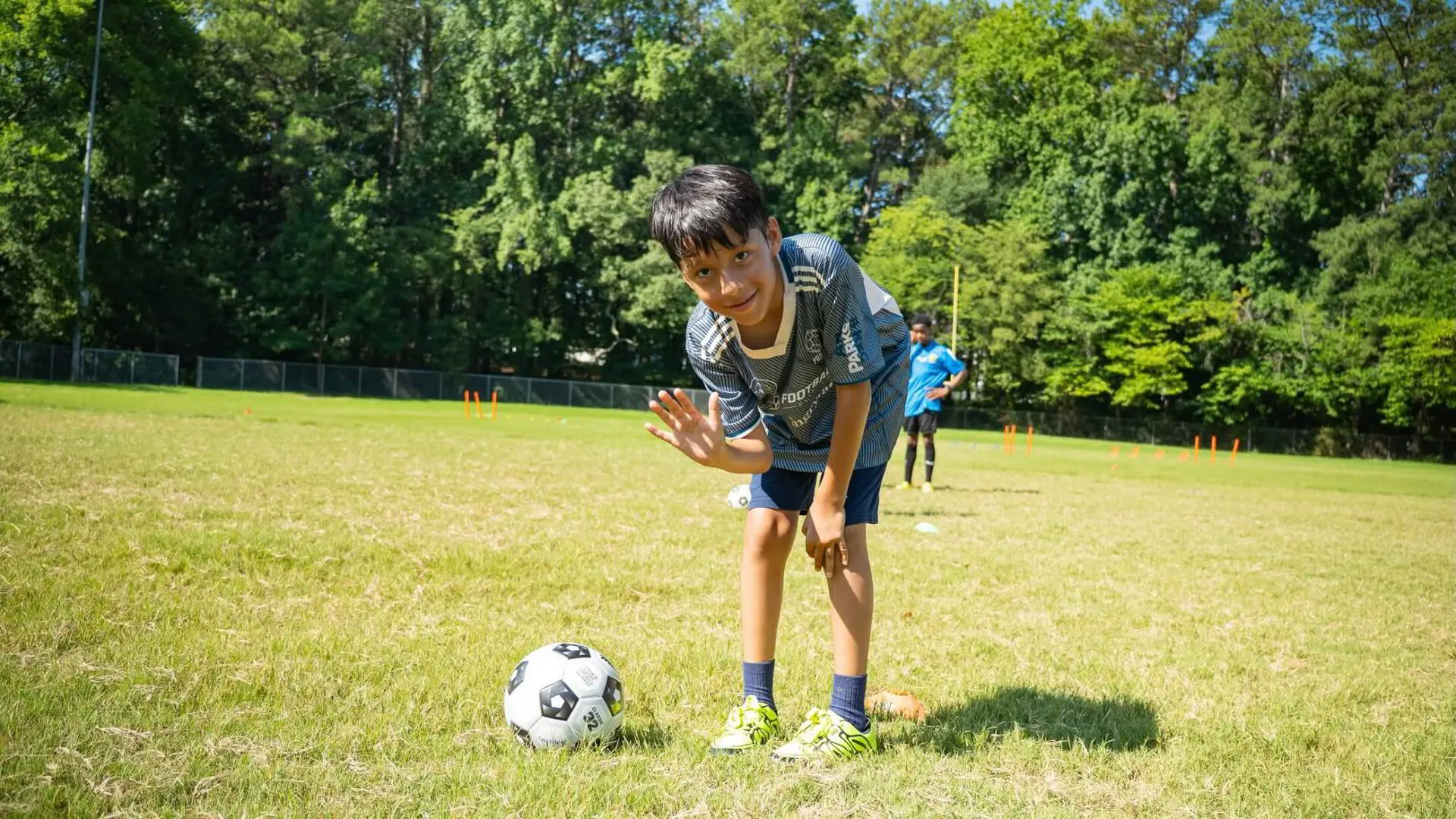
Reaching 10,000 hours does not happen by accident, and it does not happen by cramming. It happens week after week, year after year, with a schedule that fits the player's age, body, and life. Below are sample weekly plans by age group. Use them as a starting point, then adjust for school, family, and your player's energy.
Principles that apply at every age
- One full rest day per week, and a few weeks completely off each year.
- Mix the work. Structured practice, free play, games, and other sports all have a place.
- Build gradually. Increase weekly volume slowly from season to season.
- Listen to the body. Persistent soreness, especially in the heels or knees, is a signal to back off and talk to a doctor.
Ages 9 to 11: Build the love and the touches
At this age, the goal is lots of touches, lots of fun, and lots of different movements. Many experts recommend that young players also try other sports to build overall athleticism.
| Day | Activity | Time |
|---|---|---|
| Monday | Team practice | 1.5 hrs |
| Tuesday | Ball mastery at home | 20 min |
| Wednesday | Team practice | 1.5 hrs |
| Thursday | Pickup or futsal with friends | 1 hr |
| Friday | Rest or another sport | |
| Saturday | Game + small-group training | 2.5 hrs |
| Sunday | Free play in the yard or park | 1 hr |
Weekly total: about 8 hours. At 40 weeks a year, that is around 320 hours.
Ages 12 to 14: Add structure and specific work
Players now start to specialize more. Technique should be sharp under pressure, and players begin learning tactical ideas like positioning and pressing.
| Day | Activity | Time |
|---|---|---|
| Monday | Small-group technical session | 2 hrs |
| Tuesday | Team practice | 1.5 hrs |
| Wednesday | Individual work: weak foot, first touch | 45 min |
| Thursday | Team practice | 1.5 hrs |
| Friday | Rest | |
| Saturday | Small-group session + pickup | 3 hrs |
| Sunday | Game | 1.5 hrs |
Weekly total: about 10 to 11 hours, or around 450 hours a year.
Ages 15 to 17: Train like a prospect
Players aiming for college or professional soccer now train with high intensity and clear goals. Strength training, recovery, and film study become part of the week.
| Day | Activity | Time |
|---|---|---|
| Monday | Small-group or position-specific training | 2 hrs |
| Tuesday | Team practice + strength work | 2.5 hrs |
| Wednesday | Individual finishing or passing session | 1 hr |
| Thursday | Team practice | 2 hrs |
| Friday | Recovery: mobility and film | 45 min |
| Saturday | Small-group training + pickup | 3 hrs |
| Sunday | Game or rest | 1.5 hrs |
Weekly total: 12 to 14 hours, or around 550 hours a year.
Adding it up
A player who follows a path like this from age 9 through 17 builds several thousand high-quality hours of organized soccer. Add the informal play that great players fit into every spare moment, the extra touches at recess, the juggling in the driveway, the futsal in the winter, and the total climbs fast. That is how the best players get there: soccer becomes part of daily life.
Where Pro Path fits
Pro Path's training at BASE Athletics runs Saturday and Sunday mornings from 9 to 11 AM and Monday evenings from 5:30 to 7 PM, which slots right into the weekly plans above. Between sessions, our Online Academy gives players structured home routines.
Not sure what the right weekly load is for your player? Book an evaluation and we will build a plan around their age, level, and goals.