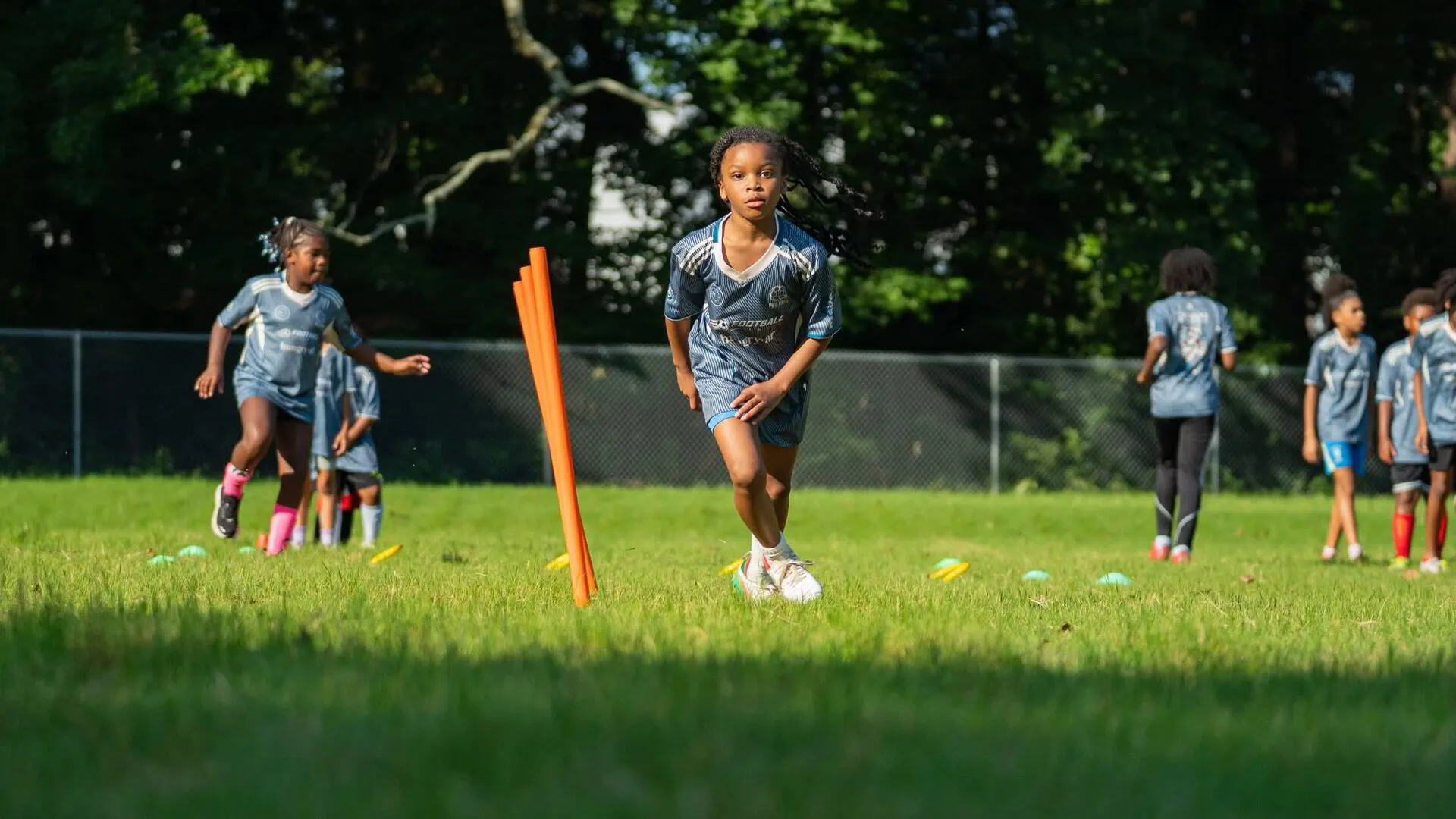
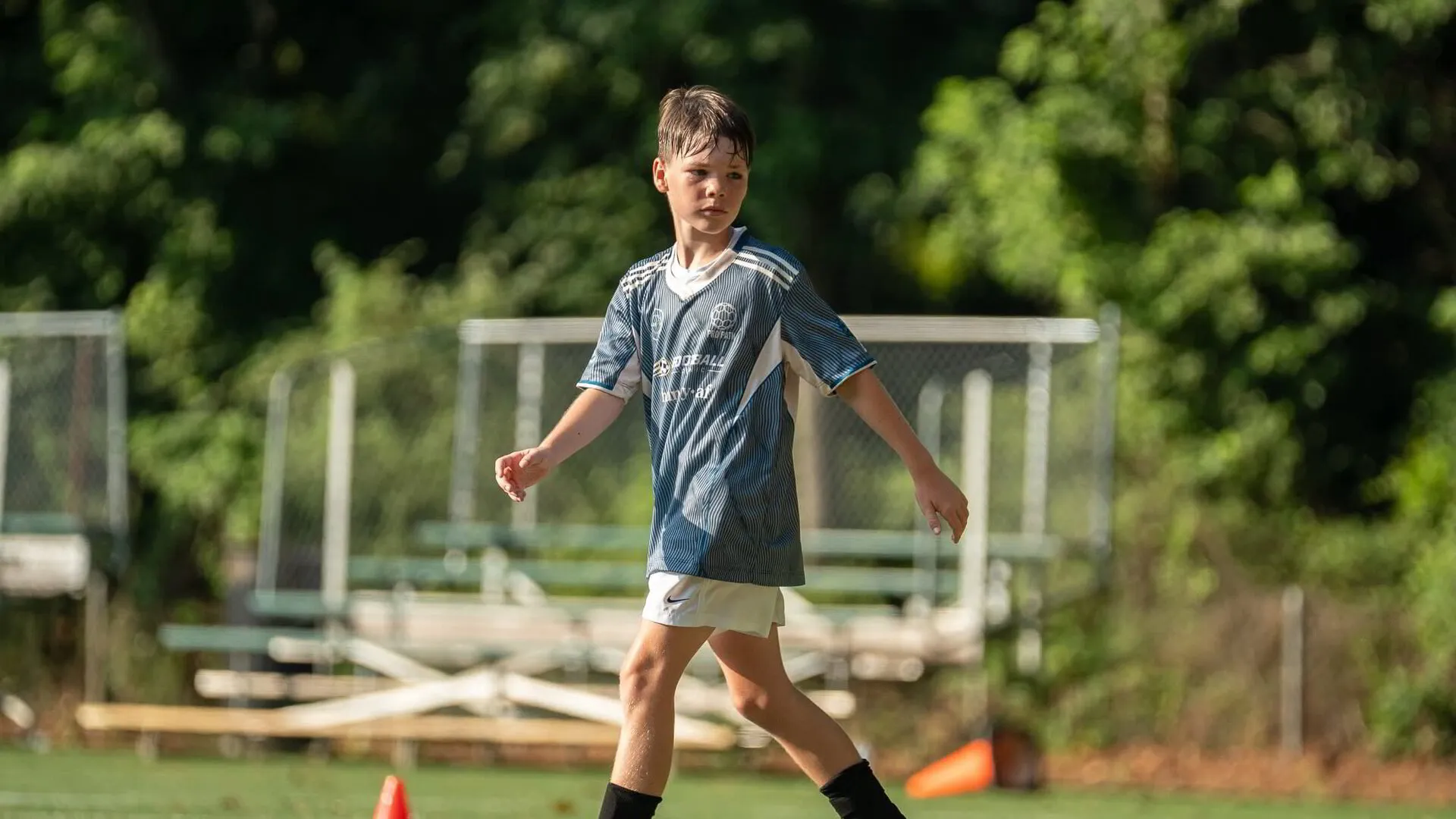
Fans see the games. Teammates see the practices. But many of the hours that separate great players from good ones happen when no one is watching: in the backyard, against a garage door, on an empty field after team training ends. These are the hidden hours.
Why solo practice matters
More touches per minute
In a team practice of 20 players, an individual might touch the ball a few hundred times. Alone with a ball and a wall, a player can do that in fifteen minutes.
Targeted to the individual
Team practice has to serve the whole group. Solo practice serves one player. A winger who struggles with crossing on her weak side can spend all of her time on exactly that.
Builds ownership
Players who practice on their own are choosing to improve. That internal drive is one of the traits coaches and scouts value most. It shows up in games as confidence and resilience.
What to practice alone
The best solo sessions focus on skills that need repetition and do not require teammates:
- Ball mastery: sole rolls, inside-outside touches, pull-backs, and turns
- First touch: receiving off a wall at different heights and angles
- Weak foot: passing, receiving, and shooting with the non-dominant foot
- Juggling: for touch and coordination
- Finishing: placement over power, both feet
- Speed with the ball: dribbling at full pace through cones
See our 20-minute ball mastery routine and 7 first touch drills for ready-to-use sessions.
How to make solo practice productive
- Have a plan before you start. Know the focus and the target.
- Keep it short. 20 to 40 minutes of real focus is better than two distracted hours.
- Measure something. Count clean reps, time a cone course, or track juggling records.
- Use video. A phone propped against a bag shows body shape and technique.
- Make it game-realistic. Finish every session with full-speed reps.
- Make it fun. Music, challenges, and personal records keep players coming back.
You do not need much space
A wall, a ball, and a few cones are enough. Our guide to training without a field has drills for driveways, garages, and small yards.
How Pro Path supports solo training
Our Online Academy gives players structured sessions they can follow on their own between team practices, starting at $7.99 a month. And our in-person training at BASE Athletics shows players exactly what to work on when they are alone.
The hidden hours are where the 10,000 adds up. Learn more about the 10,000-hour path, or book an evaluation to find your player's priorities.