Two players practice for an hour. One spends it taking shots from the same spot, enjoying the ones that go in. The other spends it receiving with her weaker foot under pressure, missing often, and adjusting after every rep. Both logged an hour. Only one of them is getting meaningfully better.
That is the difference between just playing and deliberate practice.
What deliberate practice means
Researchers who study expertise describe deliberate practice as training with four features:
- A specific goal. Not "work on passing," but "play one-touch passes with my left foot to a moving target."
- Full focus. The player is concentrating on every rep, not going through the motions.
- Immediate feedback. From a coach, a teammate, a video, or a clear result.
- Working at the edge of ability. The task is hard enough that the player fails sometimes, but not so hard that they fail every time.
This kind of practice is tiring. Most people cannot sustain it for more than an hour or two at a time. That is exactly why it works: it forces the brain and body to adapt.
Why "just playing" still matters
None of this means playing for fun is wasted time. Soccer is a game of decisions, and pickup games, futsal, and street soccer build creativity and game sense in ways drills cannot. We cover this in Deliberate Play: Why Street Soccer Counts.
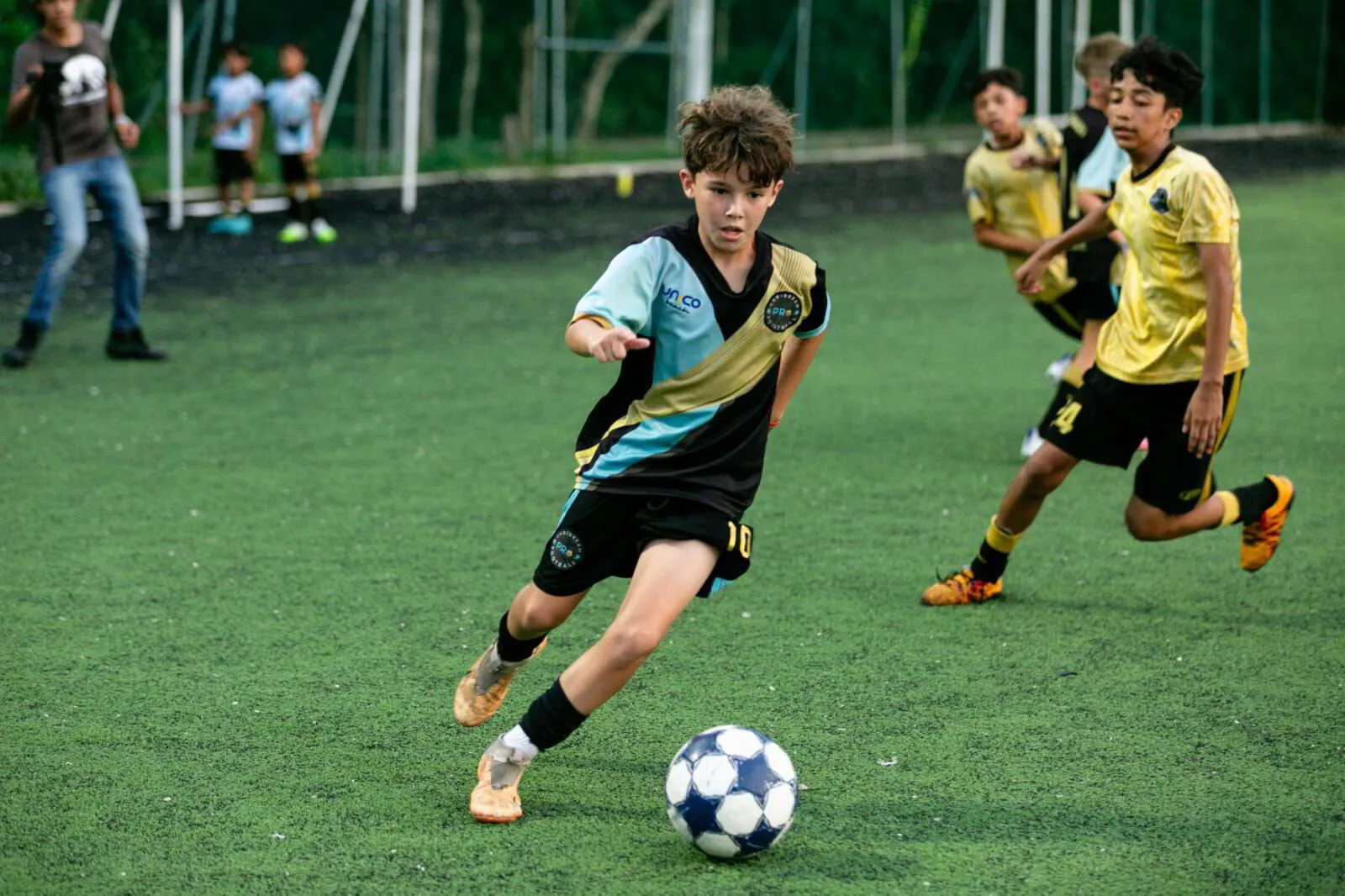
The problem is not play. The problem is practice that looks like work but is not challenging. Long lines, easy drills, and repeating strengths feel productive but build very little.
How to turn ordinary practice into deliberate practice
Pick one weakness at a time
Ask your player's coach, or watch a game together, and choose one thing to fix. It could be first touch with the weaker foot, scanning before receiving, or finishing across the body.
Set a measurable target
"Hit the target with 7 of 10 left-footed passes from 15 yards." Measurable goals give instant feedback and make progress visible.
Add pressure gradually
Start slow and unopposed, then add speed, then a passive defender, then a real one. The skill is only learned when it works in a game.
Keep sessions short and sharp
Twenty focused minutes beats an hour of half effort. For younger players especially, shorter sessions with full concentration work best.
Review and adjust
After each session, ask: What worked? What still breaks down? What will we change next time? Keeping a training log makes this easy.
A sample 30-minute deliberate session
- 5 min: Warm-up with ball mastery touches
- 10 min: Receiving on the weak foot against a wall, 3 sets of 20, aiming at a target zone
- 10 min: Same skill with a partner passing at different heights and speeds
- 5 min: Game-like finish: receive, turn, and dribble past a cone at full speed
How Pro Path coaches it
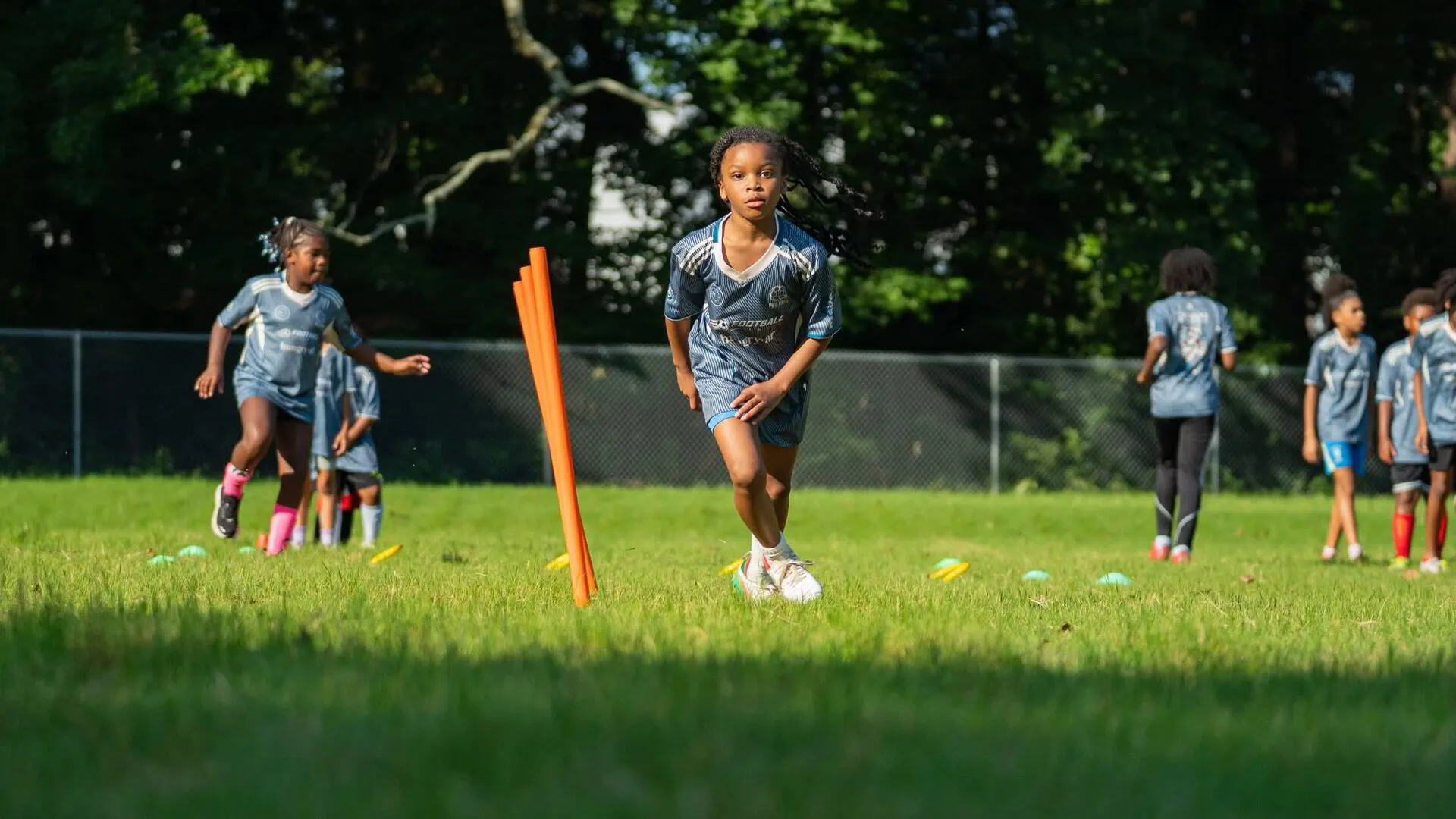
Pro Path's small-group sessions at BASE Athletics are built on deliberate practice. Groups are small, so every player gets constant reps and feedback. Every session targets specific skills, and players know what they are working on and why.
Learn more about the 10,000-hour path, or book an evaluation to find out which skills should get your player's next focused hours.