Kylian Mbappé's path ran through a local club in the Paris suburbs, the Clairefontaine national academy, and a professional club academy at Monaco, leading to a first-team debut at 16. American players face a very different landscape. Understanding the differences helps families make smart choices.
Pro Path FC is not affiliated with Kylian Mbappé. This article draws on widely reported public information.
How the paths differ
Professional academies
In France and much of Europe, professional clubs run academies that sign promising teenagers, provide training and schooling, and give them a direct route to the first team. In the U.S., professional club academies exist through MLS and other programs, but many young players develop through independent youth clubs.
Cost
Many European academies are funded by the clubs, which invest in players they hope will become professionals or be sold. In the U.S., youth soccer is often family-funded, which can make access uneven.
Street soccer culture
Players in places like the Paris suburbs often grow up with informal games everywhere. Many American kids have fewer chances for unstructured play.
College soccer
The U.S. has something Europe largely does not: a large college soccer system. For many American players, college is a key step in development and a path to education, scholarships, and sometimes professional soccer.
What American players can borrow
1. Recreate street soccer
Find small-sided games, futsal, and pickup. Read Deliberate Play: Why Street Soccer Counts.
2. Prioritize technique early
French development emphasizes technical quality in the early teens. Ball mastery, first touch, and both feet should be priorities from ages 9 to 14.
3. Seek real minutes
Like Mbappé choosing Monaco, choose environments where your player will actually play. See Why Mbappé Chose Monaco at 14.
4. Combine club and individual training
Supplement club practices with focused small-group or individual training to fill the gaps team practice cannot.
5. Use the college pathway
College soccer is a major opportunity unique to the U.S. Start building academics and a recruiting profile early. Read our College Soccer Recruiting Timeline.
6. Get international exposure
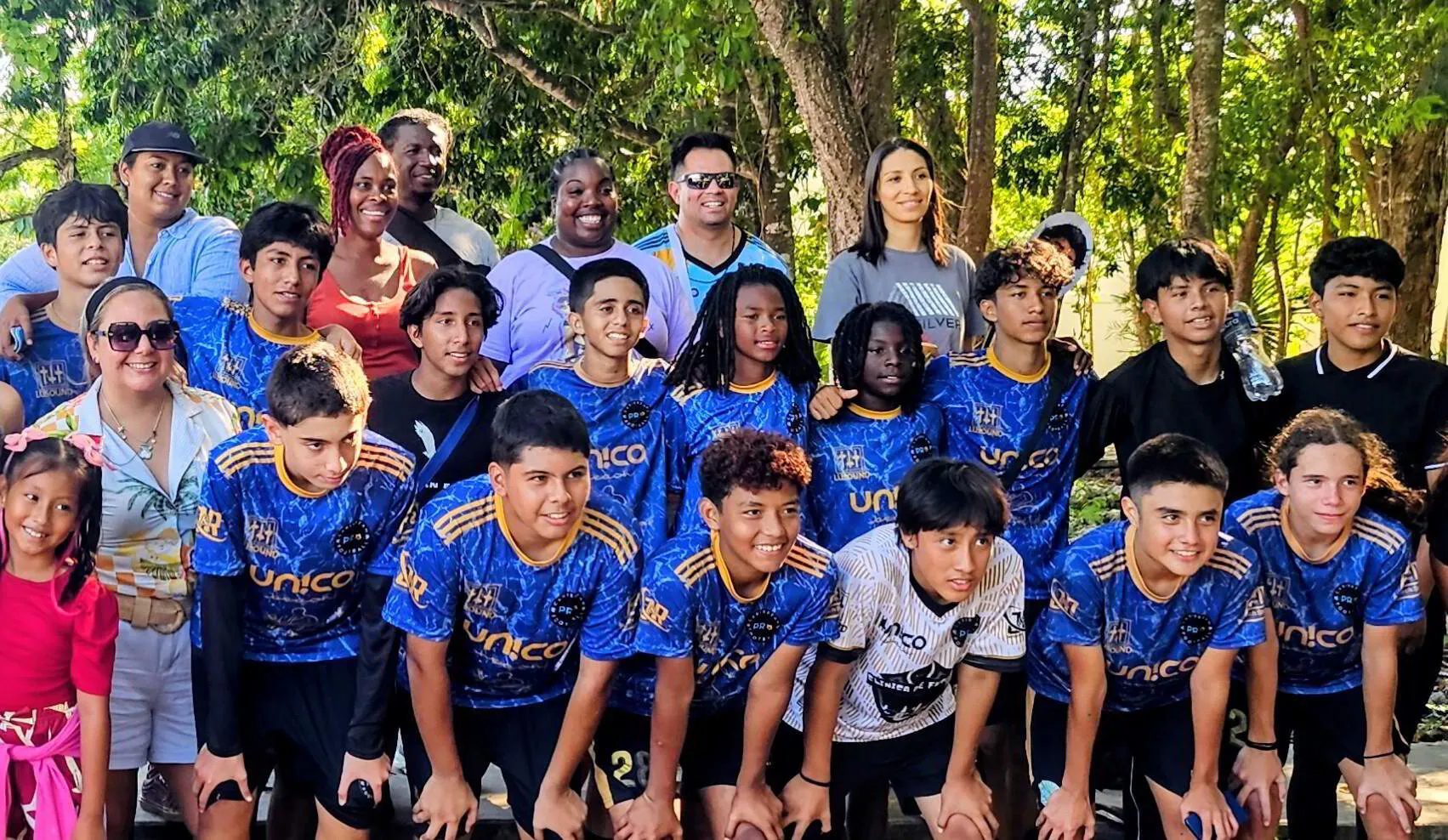
Playing against international competition shows players different styles and raises their level. That is why Pro Path runs tournaments in the Riviera Maya.
The Pro Path model
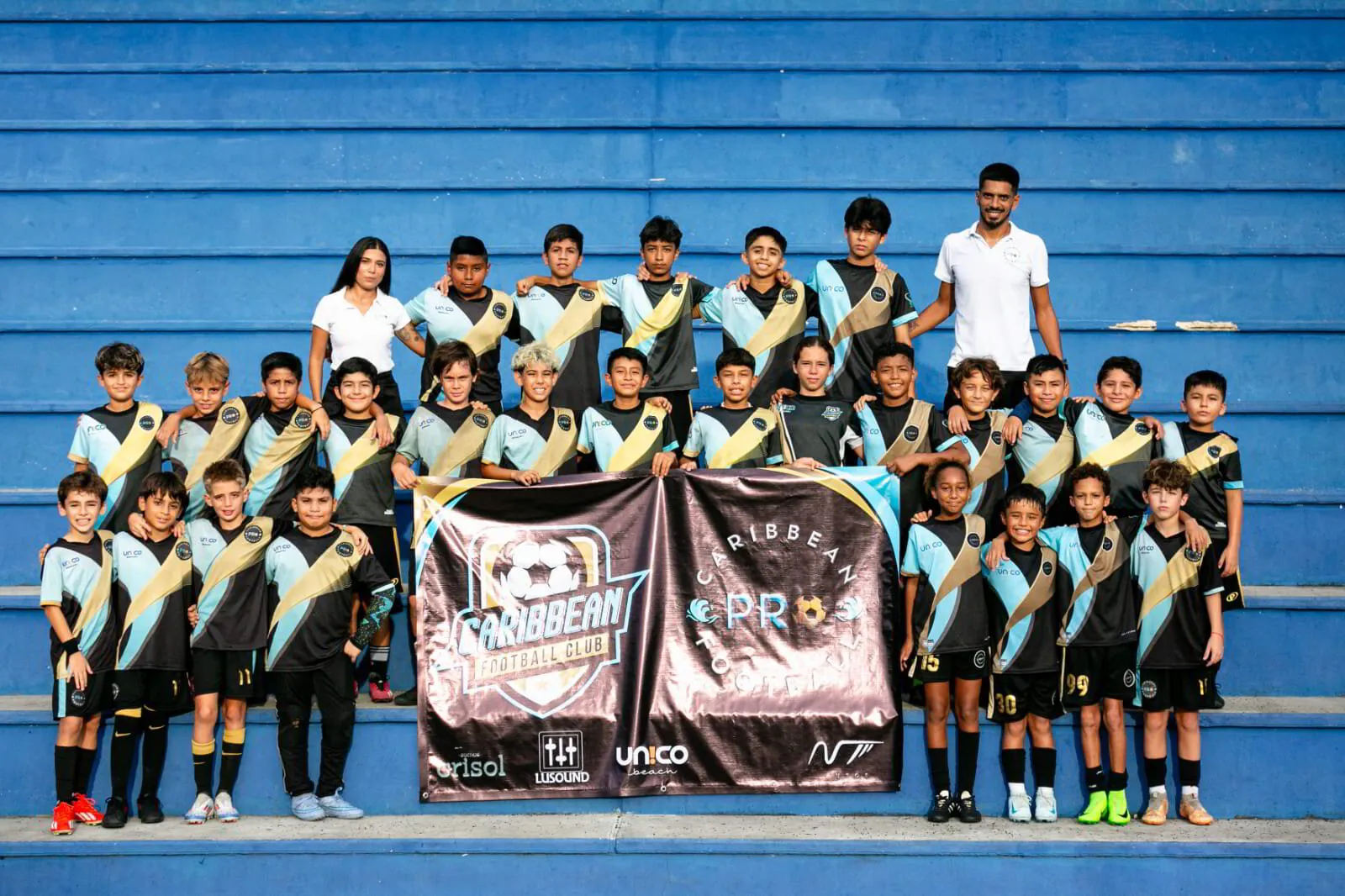
Pro Path was built to combine the best of both worlds: the technical focus and small-sided intensity of European development, plus the college and international pathways available to American players. Our training at BASE Athletics in Atlanta is for players ages 9 to 17.
Find out where your player stands. Book an evaluation.