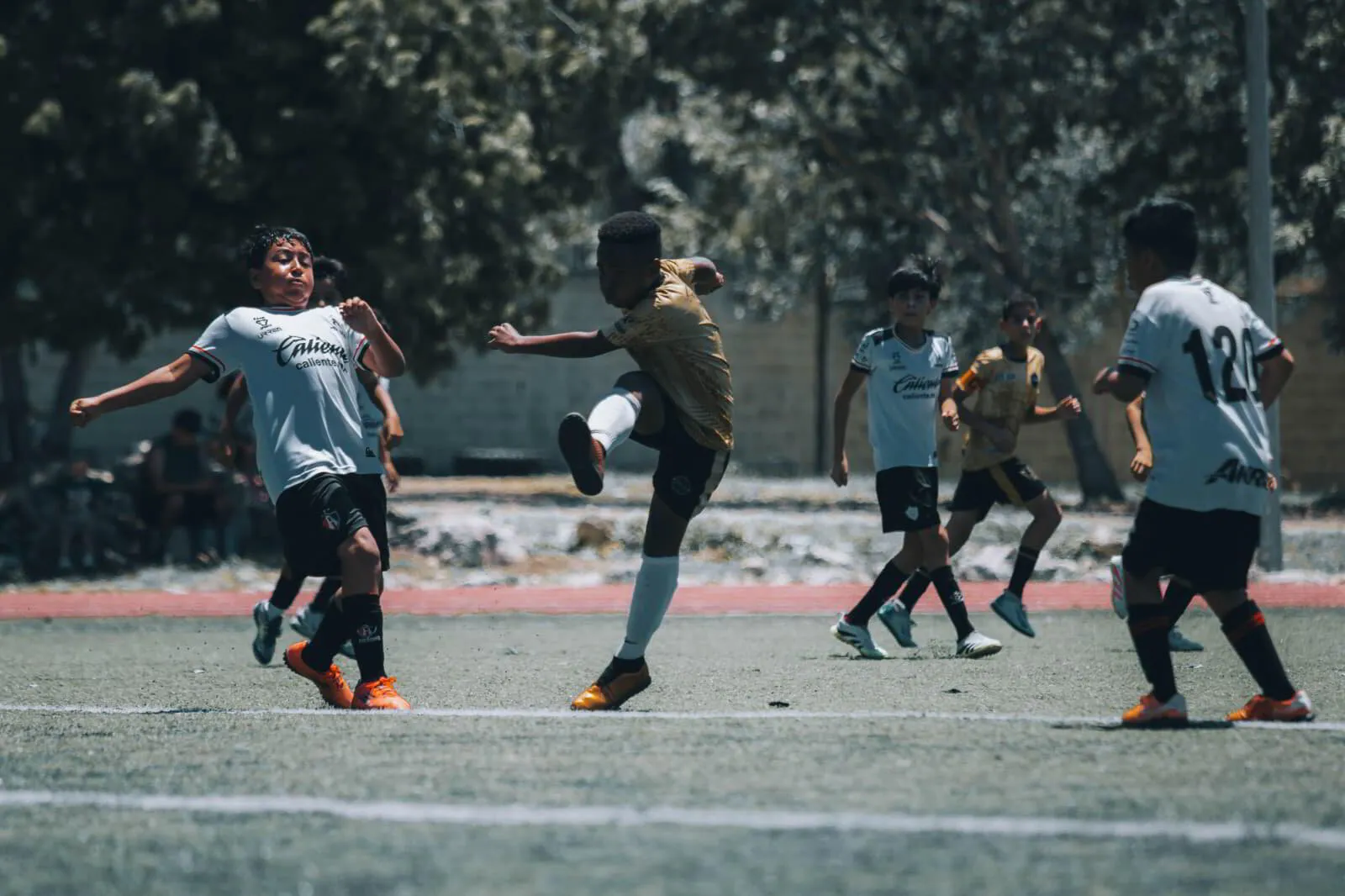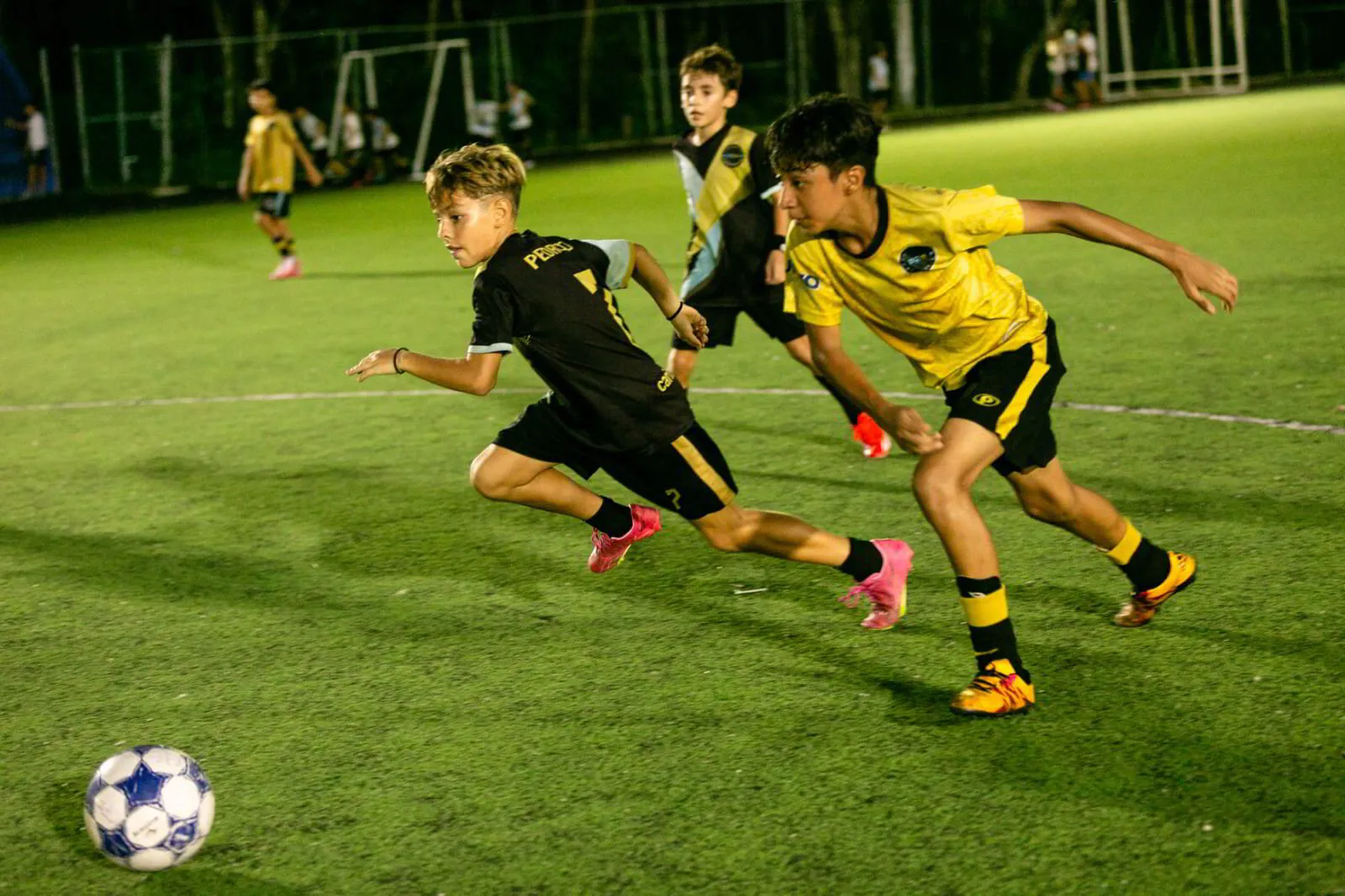
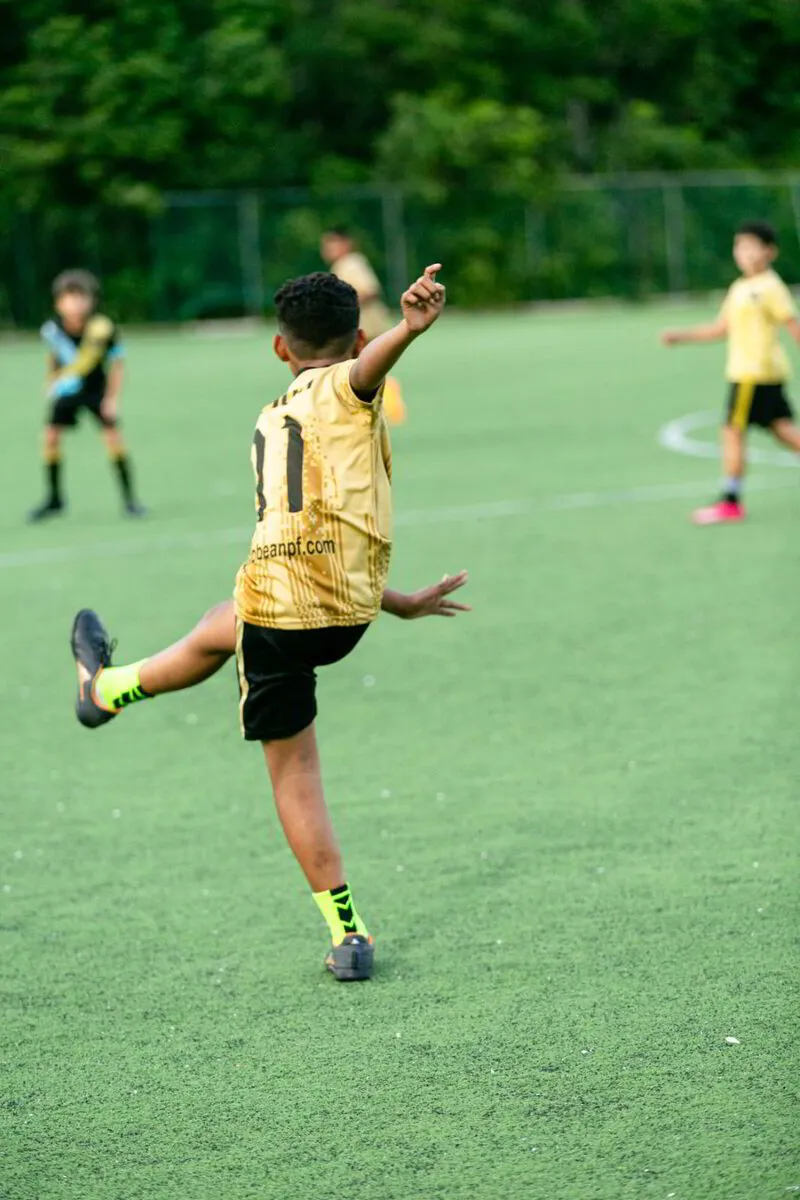
Kylian Mbappé's acceleration is famous. When he gets a step on a defender, the race is usually over. Some of that is natural ability. But speed in soccer is more than raw genetics. Acceleration, change of direction, and speed with the ball can all be developed with the right training.
Pro Path FC is not affiliated with Kylian Mbappé. This article uses his public profile as an example of a speed-based forward.
The three kinds of soccer speed
- Acceleration: how quickly a player reaches top speed over the first 5 to 10 yards. This matters most in soccer, because most sprints are short.
- Change of direction: how quickly a player can stop, turn, and go again.
- Speed with the ball: how fast a player can move while keeping the ball under control.
A fourth kind matters just as much: speed of thought. A player who reads the game a split second earlier often looks faster than a quicker player who reacts late.
Training acceleration safely
For young players, speed training should focus on technique and coordination, not heavy loads.
Starting position drills
- Falling starts: lean forward until you must take a step, then sprint 10 yards.
- Half-kneeling starts: start from one knee, explode forward on a signal.
- Reaction starts: sprint on a visual or verbal cue from a partner.
Short sprints with full rest
Sprints of 10 to 20 yards with plenty of rest between reps. Speed is built when the player is fresh. Tired sprinting builds endurance, not speed.
Running form
Drive the arms, lean forward on the first steps, and push the ground back. A coach can spot simple fixes that make a big difference.
Training change of direction
- 5-10-5 shuttle: sprint 5 yards, turn, 10 yards back, turn, 5 yards.
- Cone weaves: sharp cuts around cones at full speed.
- Mirror drill: a partner moves side to side, and the player mirrors them.
Training speed with the ball
- Speed dribbles: dribble at full pace for 20 yards, using the laces and pushing the ball slightly ahead.
- Dribble and cut: sprint with the ball, cut on a cue, accelerate away.
- 1v1 races: coach plays a ball into space, two players race for it and attack a small goal.
Growing bodies
Speed often changes during growth spurts. Coordination can temporarily drop, and joints can be sore. Reduce volume during rapid growth and focus on technique. If pain persists, check with a doctor. This article is general information, not medical advice.
Speed is nothing without skill
Fast players who cannot control the ball at speed lose it. The goal is to combine acceleration with close control, quick decisions, and clinical finishing. Read Finishing Like Mbappé and Agility, Speed, and Coordination for Ages 9 to 13.
Pro Path's sessions at BASE Athletics include acceleration, change of direction, and speed with the ball in small-sided games. Reserve a spot.