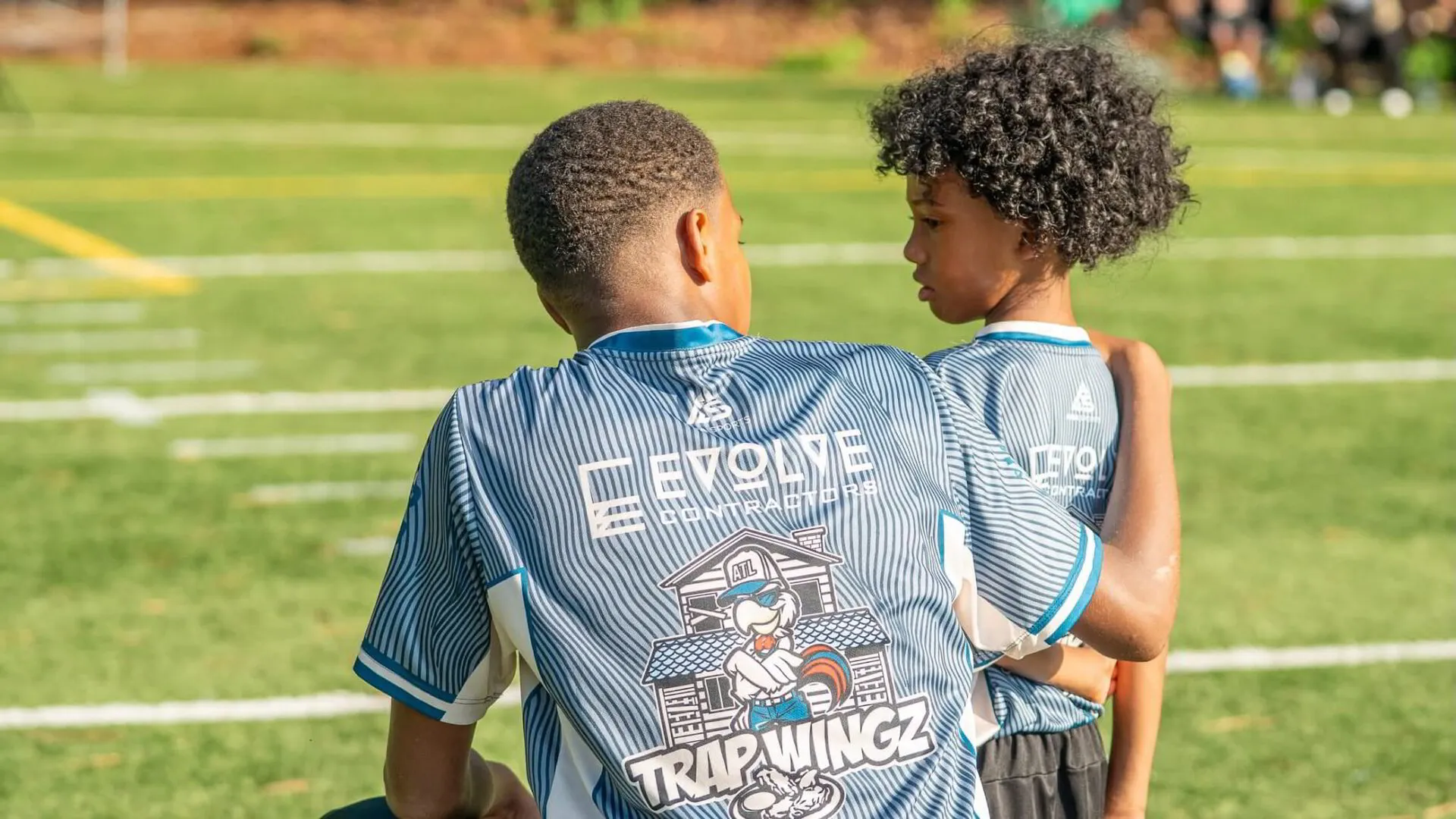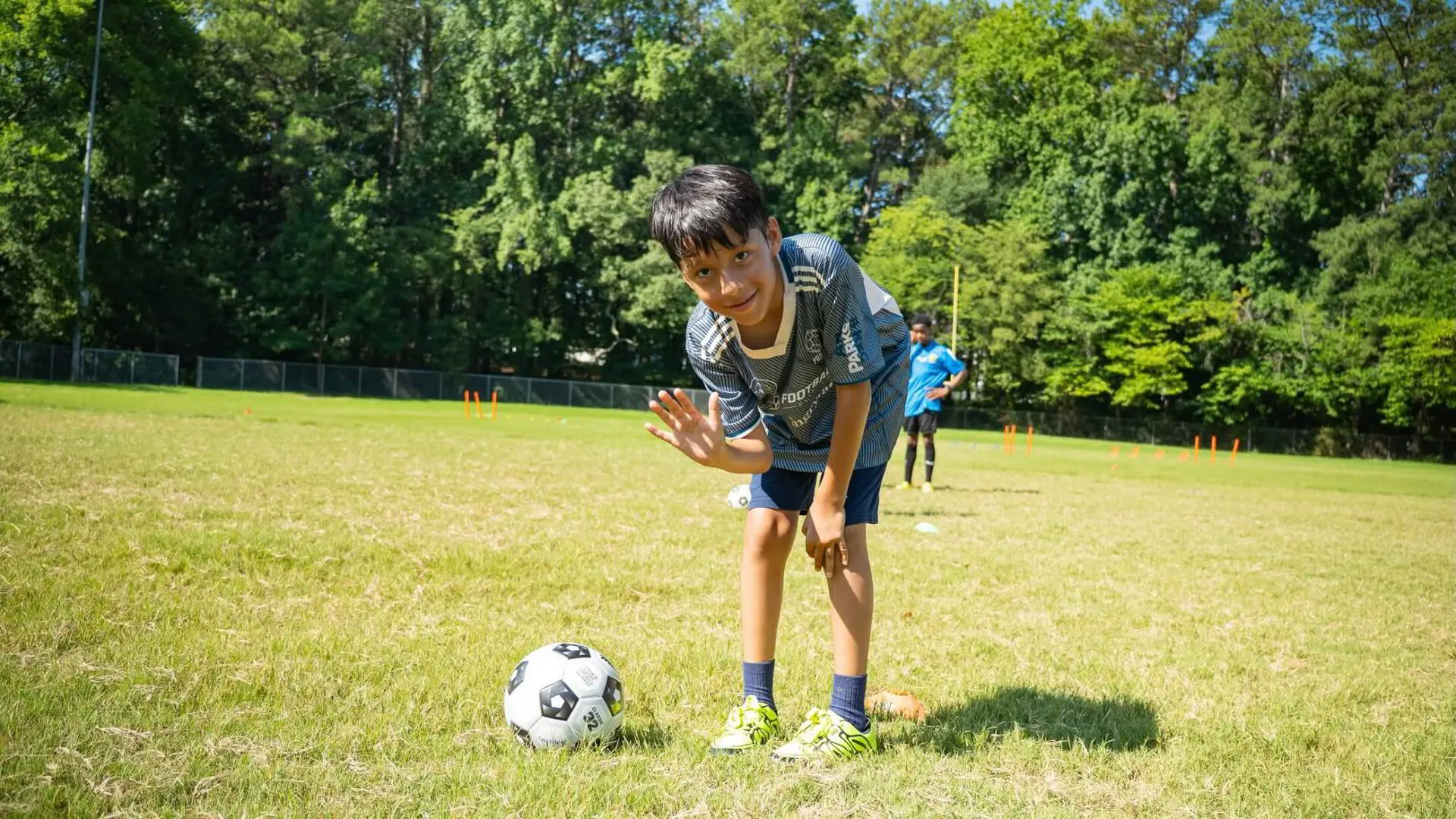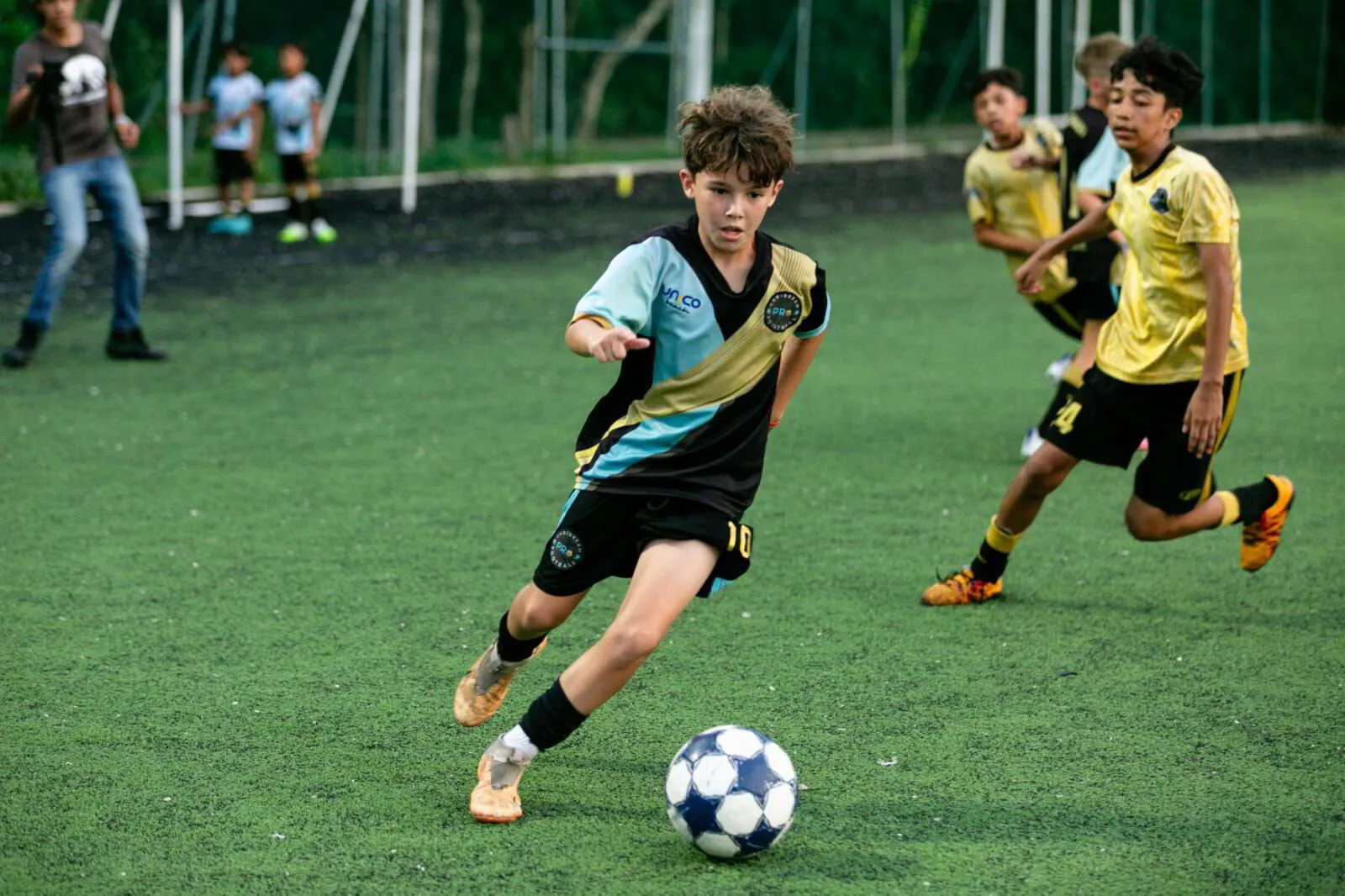
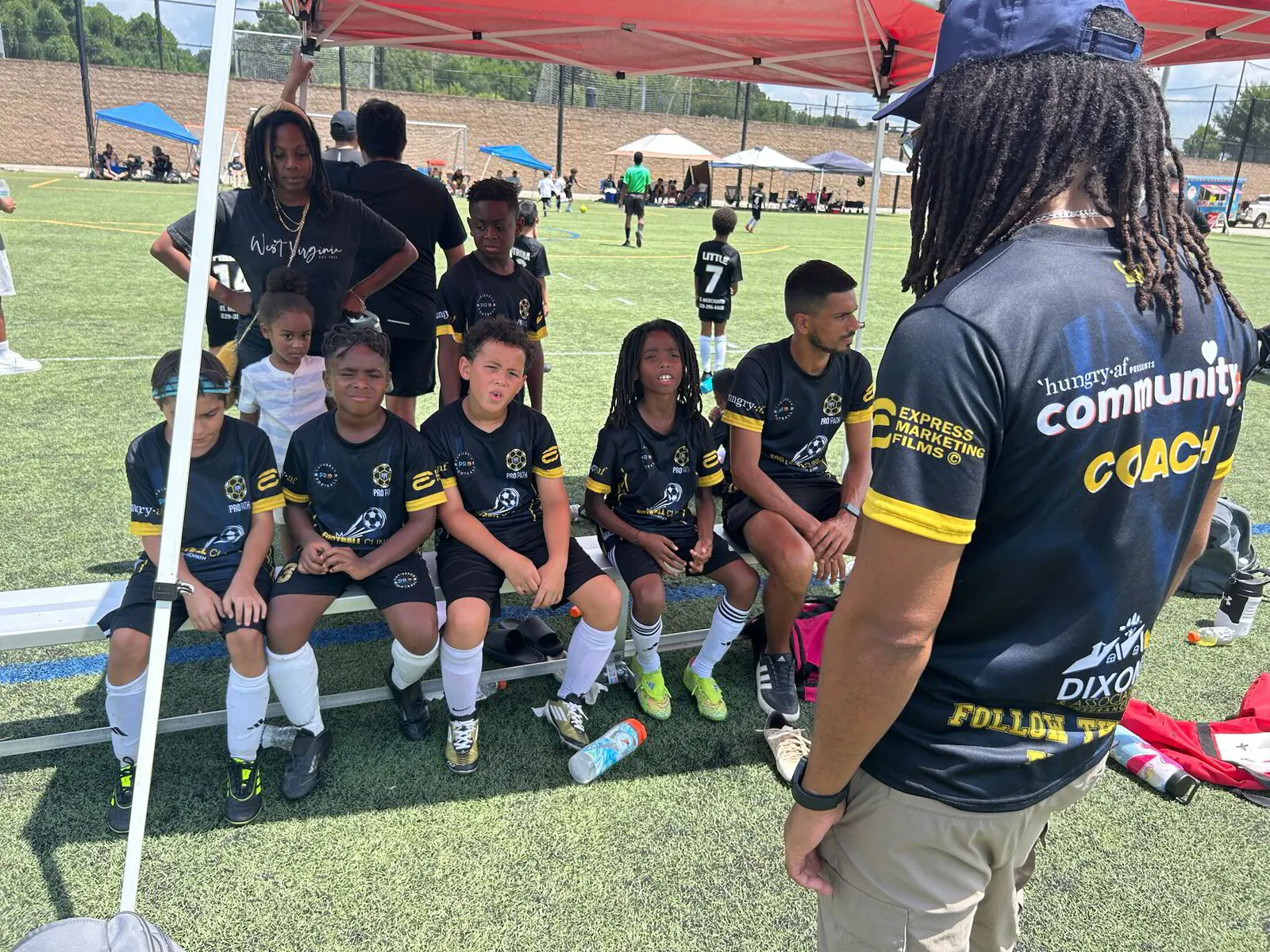
Soccer training is part science and part art. The science tells us how skills are learned and how bodies adapt. The art is in designing sessions that keep players engaged, challenged, and improving week after week. Whether you are a parent evaluating a program or a player planning your own work, these principles separate great sessions from wasted time.
1. Maximize touches
The single most reliable predictor of a productive session is how often each player touches the ball. Long lines, lectures, and big scrimmages where a player rarely gets the ball all reduce learning. Small groups, one ball per player for technical work, and small-sided games keep touch counts high.
2. Train decisions, not just techniques
Soccer is a game of choices: pass or dribble, left or right, now or later. Drills without decisions build technique, but players also need practice choosing under pressure. Good sessions move from technique to game-like situations with opponents. Read Passing Under Pressure: Scanning and Body Shape.
3. Make it look like the game
The more a training activity resembles real match situations, the more it transfers. That means opponents, direction, goals, and time pressure. Small-sided games are the clearest example. See Small-Sided Games: Why 4v4 and 5v5 Build Better Players.
4. One clear focus
The best sessions have a theme: receiving on the half-turn, 1v1 attacking, or pressing as a team. Players know what they are working on, and coaches give feedback on that one thing. Trying to fix everything at once fixes nothing.
5. Challenge at the right level
Players learn most when tasks are hard enough to cause occasional failure but easy enough to allow regular success. Great coaches adjust constantly: bigger or smaller spaces, more or fewer defenders, touch limits, or time limits.
6. Feedback that helps
Short, specific feedback beats long speeches. "Open your hips before the ball arrives" is useful. "Do better" is not. Questions work too: "What did you see before you received that pass?"
7. Both feet, always
Players who can use both feet are harder to defend and have more options. Every technical session should include work on the weaker foot. Try our 30-day weak foot challenge.
8. Intensity in short bursts
Soccer is played in bursts of high intensity. Training should match: sharp, intense activities with recovery between them, rather than long, low-energy drills.
9. Fun is not optional
Players who enjoy training keep training for years. Competition, games, challenges, and freedom to create all keep motivation high. Enjoyment is what makes the 10,000-hour path possible.
10. Protect the body
Good sessions start with a proper warm-up, manage workload, and adjust during growth spurts. Programs like FIFA 11+ provide research-backed warm-ups designed to reduce injury risk. Read Strength and Injury Prevention for Teen Players.
The four corners of a complete player
Great training develops the whole player, not just technique. Coaches and academies around the world often think in four areas:
- Technical: first touch, passing, dribbling, finishing, with both feet
- Tactical: positioning, decision-making, scanning, understanding the team's shape
- Physical: speed, agility, strength, and endurance appropriate for age
- Psychological: confidence, focus, resilience, and coachability
A good session usually targets one main area while touching on the others. A 1v1 session, for example, is technical (moves and close control), tactical (when to dribble), physical (acceleration), and psychological (bravery). Read What Scouts Look For in Youth Players to see how evaluators use the same framework.
Matching training to age
The art of coaching is also knowing what each age group needs:
- Ages 9 to 11: lots of ball mastery, small-sided games, and fun. Short explanations, long playing time.
- Ages 12 to 14: refine technique under pressure, introduce tactical ideas, and build habits like scanning and weak-foot use.
- Ages 15 to 17: position-specific work, higher intensity, physical preparation, and the mental side of competition.
See A Week-by-Week Plan to Build 10,000 Quality Hours for how the weekly load changes by age.
Training at home between sessions
The art of training does not stop when the coach leaves. Players who add short, focused sessions at home improve much faster:
- Ball Mastery at Home: A 20-Minute Daily Routine
- Training Without a Field: Wall Passes and Small-Space Drills
- Weak Foot Training: The 30-Day Challenge
Every focused hour at home builds toward the 10,000-hour path.
How to spot a weak session
Parents can learn a lot by watching ten minutes of practice. Warning signs include:
- Long lines with players waiting for a turn
- Coaches talking more than players are playing
- The same drill week after week with no progression
- Large scrimmages where some players barely touch the ball
- No clear focus or feedback
If you see these often, your player may need more high-quality, small-group training.
What a quality session looks like
A typical 90-minute to 2-hour Pro Path session follows this flow:
- Dynamic warm-up with the ball (15 min)
- Technical block on the session's focus, with lots of repetitions (25 min)
- Opposed practice: the same skill against defenders (25 min)
- Small-sided games where the skill must be used to win (30 to 45 min)
- Cool-down and reflection: what did we learn? (5 min)
Train with Pro Path
These principles guide every Pro Path session at BASE Athletics in West Midtown, where the enclosed small-sided turf keeps every player involved. Ages 9 to 17, Saturday and Sunday 9 to 11 AM and Monday 5:30 to 7 PM. Reserve a spot.